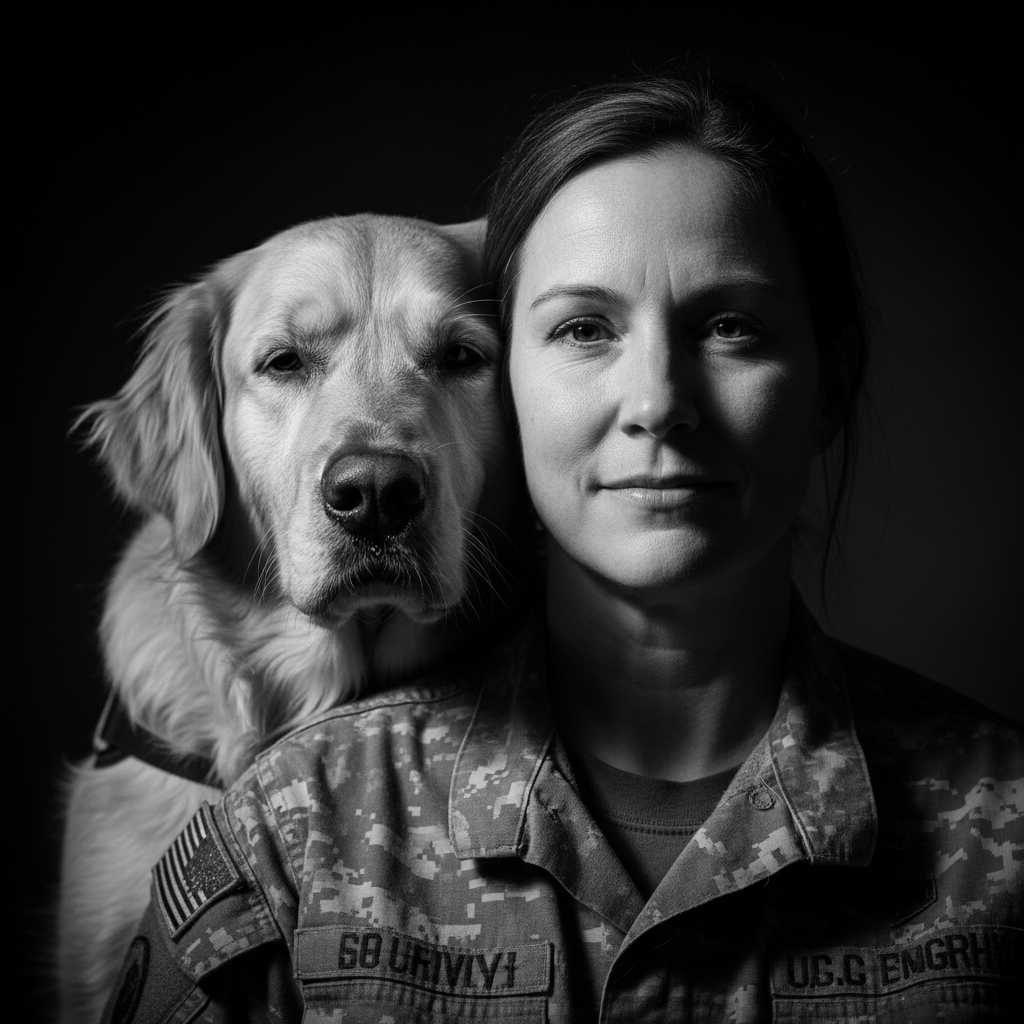
How to File VA Disability Claim: A Veteran's Guide 2026
Master the VA claims process with our expert guide. Learn how to secure your disability compensation, prepare for your C&P exam, and maximize your rating.
Understanding the VA Disability Claims Process
Navigating the complex world of VA benefits can feel overwhelming, but understanding the steps required to file a VA disability claim is the first step toward securing the support you earned. Whether you are seeking your initial service connection or looking to increase VA disability rating, preparation is key.
The Three Pillars of Service Connection
To succeed, every claim must establish three foundational elements:
- A current diagnosis of a medical condition.
- An in-service event, injury, or illness.
- A medical nexus linking the current condition to the in-service event.
Without these three components, your claim will likely face an uphill battle. If your nexus is weak, obtaining a professional nexus letter from a qualified medical provider can be the difference between approval and denial.
Mastering the C&P Exam
The Compensation and Pension (C&P) exam is a critical stage in the VA claims process. It is here that a examiner evaluates your symptoms against the VA's disability rating schedule.
- Be honest and thorough: Clearly articulate how your condition impacts your daily life and ability to work.
- Bring evidence: If you have private records or a buddy statement, ensure they are uploaded to your VA file beforehand.
- Focus on bad days: The VA needs to understand your limitations during your worst days, not just when you are feeling managed.
Using Lay Evidence and Buddy Statements
VA evidence is not limited to medical records. A well-written buddy statement or lay statement can bridge gaps in your service treatment records by providing firsthand accounts of the incident or the progression of your symptoms. This is especially helpful for conditions like PTSD VA claims or chronic tinnitus VA issues where documentation might be sparse.
Advanced Strategies for VA Benefits
If you are already rated but feel it does not reflect your reality, you may be eligible to increase VA disability rating. Additionally, for veterans whose service-connected conditions prevent them from maintaining substantial gainful employment, Total Disability Individual Unemployability (TDIU) provides compensation at the 100% rate even if your combined disability rating is lower.
Common Paths to Success
- Secondary Service Connection: Link a new disability to one already service-connected.
- VA Appeals: If denied, utilize the Decision Review Request to challenge the finding.
- Veteran Healthcare Utilization: Regularly seek treatment at a VA facility to ensure your condition is well-documented in the VA's own system.
Staying Informed on VA Disability Compensation Rates
VA disability compensation rates are adjusted annually based on the cost-of-living index. Keeping track of these changes ensures you understand the financial support available for you and your dependents. Always prioritize gathering strong VA evidence to support your position before submitting any formal paperwork.
Remember, you do not have to navigate this journey alone. Whether you are dealing with PTSD, hearing loss, or physical injuries, there are resources available to help you build a robust, evidence-backed claim.
Take Action Today
Are you ready to secure the benefits you deserve? Do not let a lack of documentation stand in your way. Contact our team today for a comprehensive evaluation of your file and learn how we can help you strengthen your nexus, organize your buddy statements, and prepare for a successful C&P exam experience. Start your path to the compensation you have earned.
RELATED TOPICS: