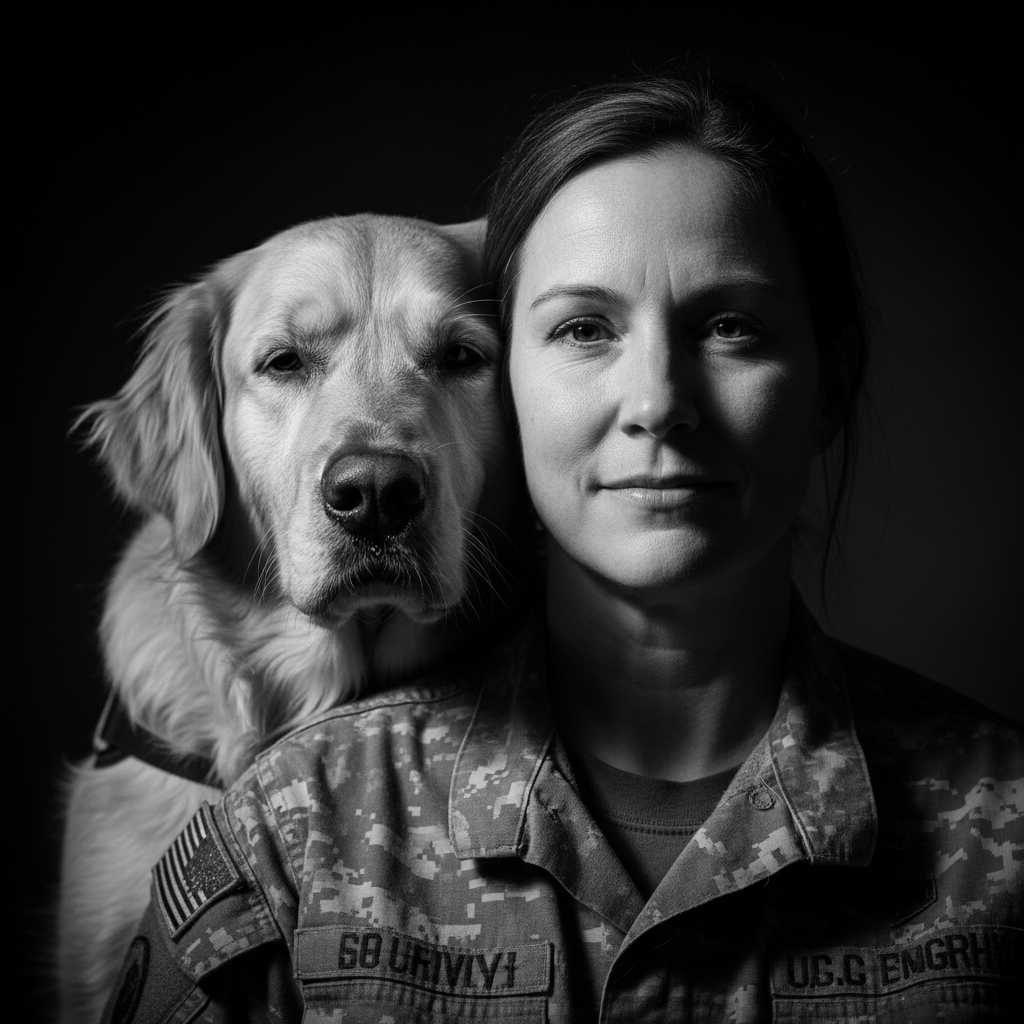
Mastering the VA Claims Process: A Veteran's Guide
Learn how to navigate the complex VA claims process, understand service connection requirements, and effectively gather the evidence needed for your disability benefits.
Understanding the VA Claims Process for Success
Navigating the journey toward securing VA disability benefits can feel overwhelming, but understanding the VA claims process is the first step toward getting the support you deserve. Whether you are filing an initial claim, seeking to increase VA disability rating, or managing a denial, being prepared is essential.
Defining Service Connection Requirements
To qualify for disability compensation, you must establish a service connected disability. This requires three distinct elements: a current medical diagnosis, an in-service event or injury, and a nexus letter or medical link connecting the two. Many veterans find success by utilizing a buddy statement or lay statement to fill gaps where official service records might be missing.
Preparing for Your C&P Exam
The C&P exam is perhaps the most critical part of the process. This is where a medical professional assesses the severity of your conditions. To prepare, ensure you have gathered all necessary VA evidence, including private medical records and personal statements. Be honest about your 'worst days' rather than your average day, as this accurately reflects the impact of your disability on your daily life.
Common Conditions: PTSD and Tinnitus
Many veterans seek compensation for high-frequency conditions such as PTSD VA claims or tinnitus VA claims. For mental health conditions, the VA looks for specific markers of impairment in occupational and social settings. For tinnitus, the focus is often on the chronic nature of the ringing in your ears and how it interferes with sleep and concentration.
Maximizing Your Disability Rating
If your condition worsens over time, you may need to file for an increase. Understanding the VA disability compensation rates is helpful, but the goal should always be an accurate reflection of your physical and mental limitations. In cases where you cannot maintain substantially gainful employment, you may be eligible for Total Disability Individual Unemployability (TDIU).
Steps to Successfully File
- Identify your primary disabilities and gather medical documentation.
- Submit your intent to file to secure your back-pay date.
- Compile your application, including your personal statement and any nexus letters.
- Review your file for a potential VA appeal if the initial decision is not favorable.
Why You Need Strong VA Evidence
The strength of your claim relies on the quality of your evidence. Relying solely on your service medical records is often insufficient. Proactively obtaining a nexus letter from a private provider can bridge the gap between your service and your current condition. Furthermore, buddy statements from fellow service members can provide crucial context regarding incidents that occurred during active duty that were not documented at the time.
Your Next Steps for VA Benefits
Remember, the veterans benefits system is designed to provide you with support, but the burden of proof rests on the claimant. Whether you are navigating veteran healthcare options or fighting for a higher disability rating, you do not have to do it alone. If you have been denied or feel your rating is inaccurate, consider consulting with a professional who understands the nuances of the VA claims landscape.
Call to Action: Are you ready to take control of your VA disability claim? Start by organizing your medical records and identifying the gaps in your service connection evidence. If you need expert guidance to ensure your claim is fully developed, contact a certified advocate today to review your options and start your path toward the compensation you have earned.
RELATED TOPICS: