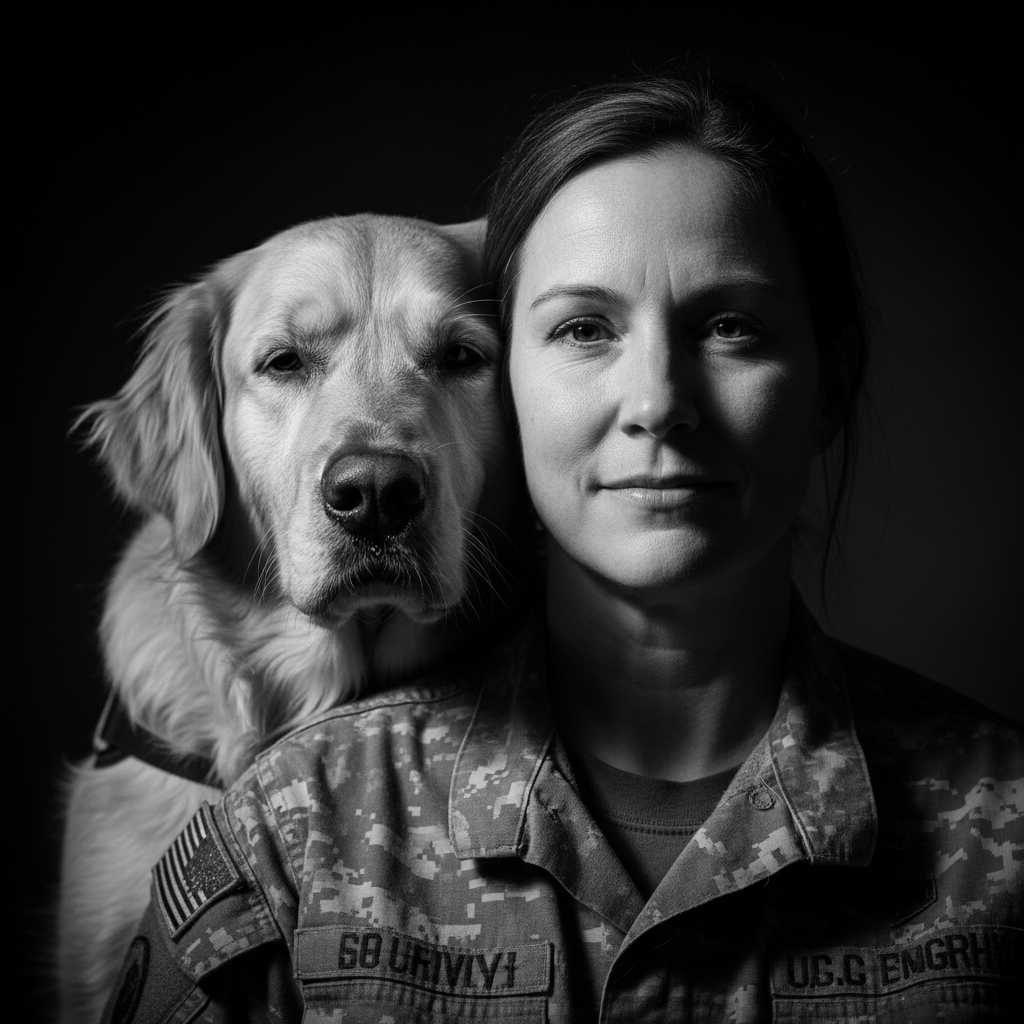
Mastering the VA Claims Process: A Veteran’s Guide to Success
Navigating the VA disability claims process can be complex. Learn how to strengthen your application, prepare for your C&P exam, and maximize your veterans benefits.
Understanding the VA Disability Claims Process
Navigating the VA disability landscape is often overwhelming for service members transitioning to civilian life. Understanding the VA claims process is the first step toward securing the disability compensation you earned through your service. Whether you are filing an initial claim or looking to increase VA disability rating, thorough preparation is key to success.
Establishing Service Connection
To qualify for veterans benefits, you must establish a service connection. This requires three pillars of VA evidence: a current diagnosis, an in-service event or injury, and a nexus letter or medical link connecting the two. Without a strong medical nexus, your claim is likely to face delays or denials. Many veterans utilize buddy statements or a lay statement to provide context regarding the in-service injury when medical records are missing.
Crucial Steps for a Successful Claim
If you are wondering how to file VA disability claim documents correctly, follow this structured approach:
- Collect all relevant medical records, including private provider notes and veteran healthcare files.
- Obtain a nexus letter from a qualified physician to support your service connected disability.
- Write a personal statement detailing the impact of your condition on your daily life.
- Ensure your VA evidence is organized and clearly indexed for the rater.
Preparing for Your C&P Exam
The C&P exam is perhaps the most critical stage in the VA claims process. During this examination, a VA-contracted clinician evaluates your condition to determine your disability rating. Be honest about your worst days, not just your best. If you are claiming PTSD VA or tinnitus VA, be prepared to explain exactly how these conditions interfere with your employment and social functioning.
Maximizing Your Benefits
If your combined disability rating is not accurately reflecting your limitations, you may be eligible for Total Disability Individual Unemployability (TDIU). This allows veterans who are unable to maintain substantially gainful employment due to their service-connected disabilities to be compensated at the 100% rate.
When to File a VA Appeal
If you receive a denial, do not lose hope. You have the right to file a VA appeal through a Higher-Level Review, a Supplemental Claim, or an appeal to the Board of Veterans' Appeals. Always review your decision letter carefully to identify missing evidence before choosing your path forward.
Key Takeaways for Veterans
- Documentation is everything: Never submit a claim without substantial medical backing.
- Be specific: Use buddy statements to fill gaps where official military records are silent.
- Understand the rates: Familiarize yourself with VA disability compensation rates to understand your potential monthly benefit.
- Seek professional help: Organizations like the VFW or accredited agents can provide invaluable support.
Your service deserves fair compensation. By preparing your evidence, understanding the diagnostic criteria for conditions like PTSD VA or tinnitus VA, and staying organized during the VA claims process, you take control of your financial future.
Are you ready to maximize your VA benefits? Contact a certified disability advocate today to evaluate your case and prepare your evidence for a successful claim.
RELATED TOPICS: