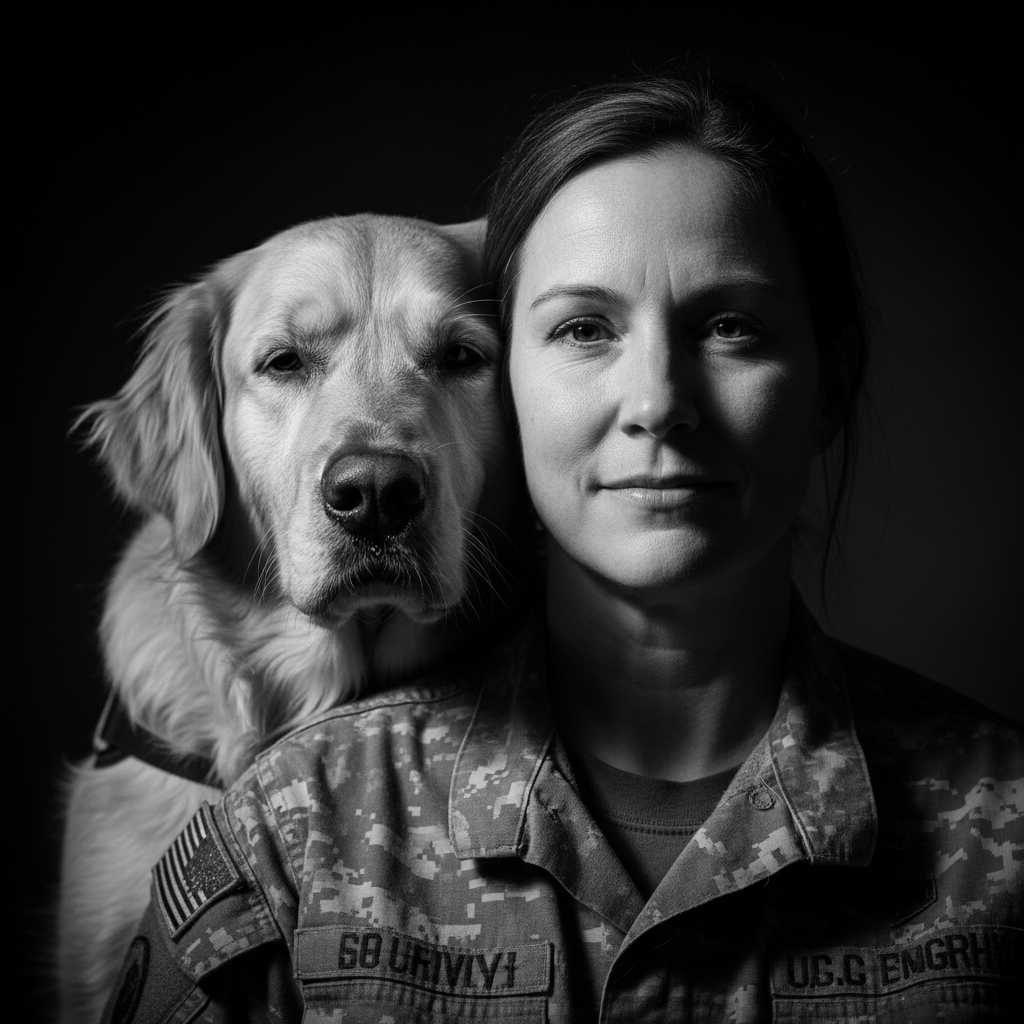
Mastering the VA Claims Process: Expert Guide for Veterans
Navigating VA disability claims can be complex. This expert guide breaks down how to secure your VA benefits, improve your rating, and successfully manage your claim.
Navigating the VA Disability Claims Process: A Comprehensive Guide
For many veterans, the VA claims process feels like an overwhelming mountain of paperwork and bureaucracy. However, understanding the requirements for VA disability benefits is the first step toward receiving the compensation you have earned. Whether you are filing an initial claim or seeking to increase your VA disability rating, preparation is your greatest asset.
Understanding Service Connection Requirements
To qualify for disability compensation, you must establish a service connection. This means proving that your current disability was caused or exacerbated by your military service. You need three essential elements: a current diagnosis, an in-service event, and a medical nexus connecting the two. If you are struggling to prove this link, a formal nexus letter from a qualified medical professional can provide the objective VA evidence necessary to strengthen your case.
Mastering the C&P Exam Preparation
The Compensation and Pension (C&P) exam is a critical juncture in your VA benefits journey. This appointment is where a VA-contracted clinician evaluates your symptoms to determine your disability rating. To prepare effectively:
- Review your medical records thoroughly.
- Be honest and accurate about your "worst days" regarding your symptoms.
- Ensure you understand how your condition impacts your daily life and work.
- If you have secondary conditions, like PTSD VA symptoms stemming from physical pain or tinnitus VA-related sleep loss, ensure these are documented.
How to Strengthen Your Claim with Evidence
The VA relies heavily on documentation. While medical records form the backbone of your claim, supplemental VA evidence can be a game-changer. Consider these tools to bolster your file:
- Buddy Statements: Use a lay statement from fellow service members who witnessed your injury or the onset of your symptoms.
- Personal Statements: Write a clear, concise lay statement explaining how your condition affects your social and occupational functioning.
- Nexus Letters: Hire an expert to provide a medical opinion if your service connection is not immediately apparent.
Seeking an Increase and TDIU
Many veterans are underrated based on their actual functional impairment. If your condition has worsened, you may qualify to increase your VA disability rating. Furthermore, if your service-connected disabilities prevent you from maintaining substantially gainful employment, you may be eligible for Total Disability Individual Unemployability (TDIU). This benefit compensates you at the 100% rate even if your combined disability rating is lower.
What to Do in Case of a VA Appeal
If you receive a denial, do not lose hope. The VA appeal process allows you to challenge unfavorable decisions. Whether you choose a Higher-Level Review, a Supplemental Claim, or an appeal to the Board of Veterans' Appeals, ensure you address the specific reasons for the denial provided in your decision letter.
Call to Action
You served your country; now let us help you get the benefits you deserve. If you need assistance gathering your medical evidence, writing a personal statement, or navigating your next C&P exam, reach out to our team of expert VA claims consultants today for a personalized evaluation of your claim.
RELATED TOPICS: