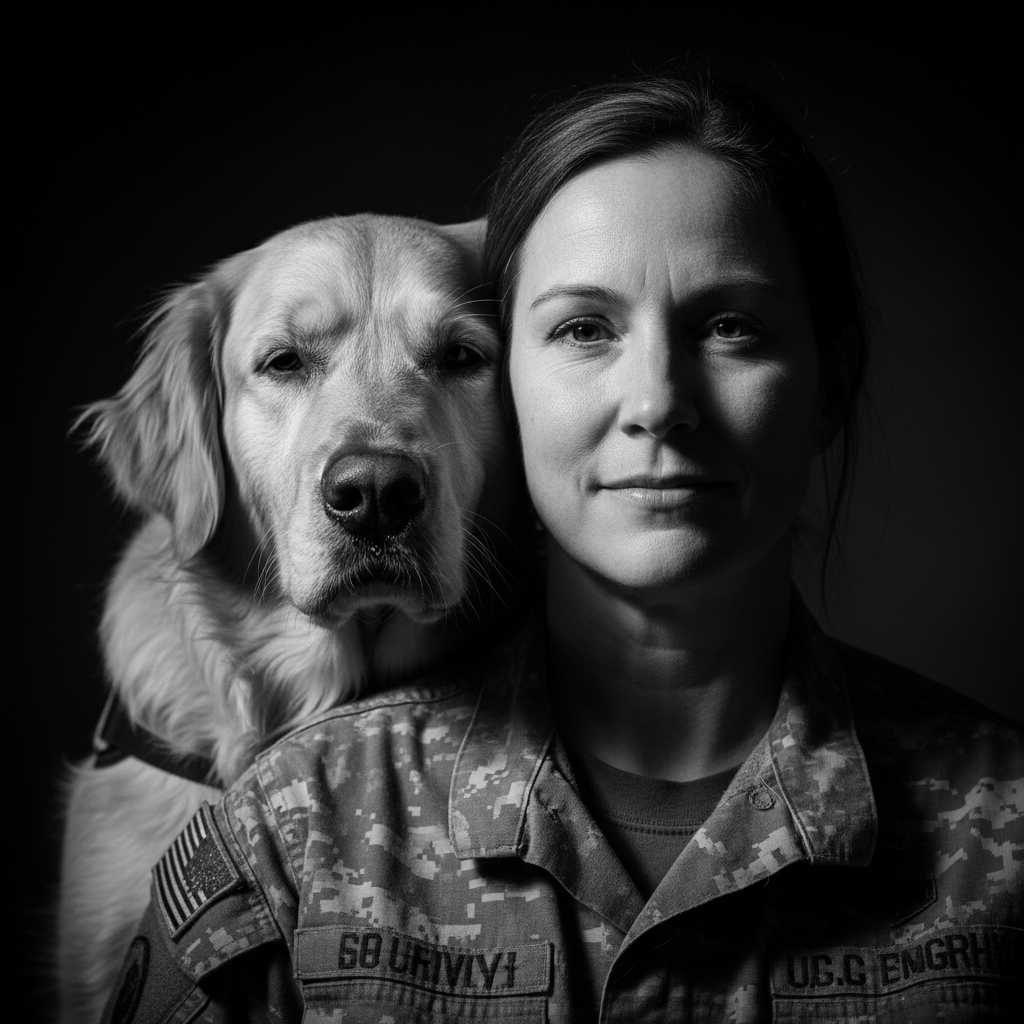
Mastering the VA Claims Process: Expert Guide to Benefits
Learn how to navigate the VA disability claims process effectively. From service connection to C&P exams, our expert guide helps you secure the compensation you earned.
Understanding the VA Disability Claims Process
Navigating the complex world of VA benefits can feel overwhelming, but understanding the foundational steps is the key to success. Whether you are wondering how to file VA disability claim for the first time or looking to increase VA disability rating for an existing condition, preparation is everything. This guide provides a roadmap for veterans seeking the disability compensation they deserve.
Establishing Service Connection
To receive benefits, you must establish a service connected disability. The VA requires three elements for a successful claim: a current medical diagnosis, an in-service event or stressor, and a medical nexus letter linking the two. Without this clear evidence, the VA often denies initial claims. Ensure your medical records clearly document how your military service directly caused or aggravated your condition.
The C&P Exam: What You Need to Know
The C&P exam is a critical component of the VA claims process. A medical examiner will evaluate your condition to determine your disability rating. Preparation is vital: be honest about your limitations, bring your VA evidence, and describe your symptoms on your "worst days." Remember, the examiner is there to document your functional impairment, not to judge your service.
Maximizing Your VA Disability Rating
Many veterans suffer from multiple ailments, but simply listing them isn't enough. You must gather comprehensive VA evidence, including:
- Buddy statements to corroborate your in-service injury.
- Lay statements detailing how symptoms impact your daily life.
- Private medical opinions or nexus letters.
- Current treatment records from your veteran healthcare provider.
If your condition has worsened, you may qualify to increase VA disability rating. Always review the VA disability compensation rates to understand how your combined rating affects your monthly payout.
Common Claims: PTSD and Tinnitus
Mental health and sensory issues are among the most common claims. For a PTSD VA claim, you must demonstrate a "stressor" related to your service. For a tinnitus VA claim, you need to show the chronic nature of the ringing in your ears and how it interferes with your professional or social life.
Total Disability and Individual Unemployability (TDIU)
If you cannot maintain substantially gainful employment due to your service-connected conditions, you may qualify for Total Disability Individual Unemployability (TDIU). This allows you to receive compensation at the 100% rate even if your combined rating is lower, provided your disabilities prevent you from working. This is a powerful tool for veterans whose conditions severely restrict their career options.
What to Do If Denied
If the VA denies your claim, don't lose hope. The VA appeal process is designed to correct errors. You can request a Higher-Level Review, a Supplemental Claim with new VA evidence, or an appeal to the Board of Veterans' Appeals. Persistence is often required in the veteran benefits landscape.
Actionable Tips for Your Next Claim
- Organize your medical records chronologically.
- Use buddy statements to fill gaps in your service treatment records.
- Ensure your nexus letter specifically addresses the "at least as likely as not" standard.
- Consult with a qualified VSO or legal representative if the process becomes too daunting.
Your service and sacrifice entitle you to support. By providing clear, consistent evidence and understanding the rules, you can successfully navigate the VA system. If you need assistance with your claim or have questions about your eligibility, reach out to our team of experts today for a professional consultation on your next steps toward receiving your benefits.
RELATED TOPICS: