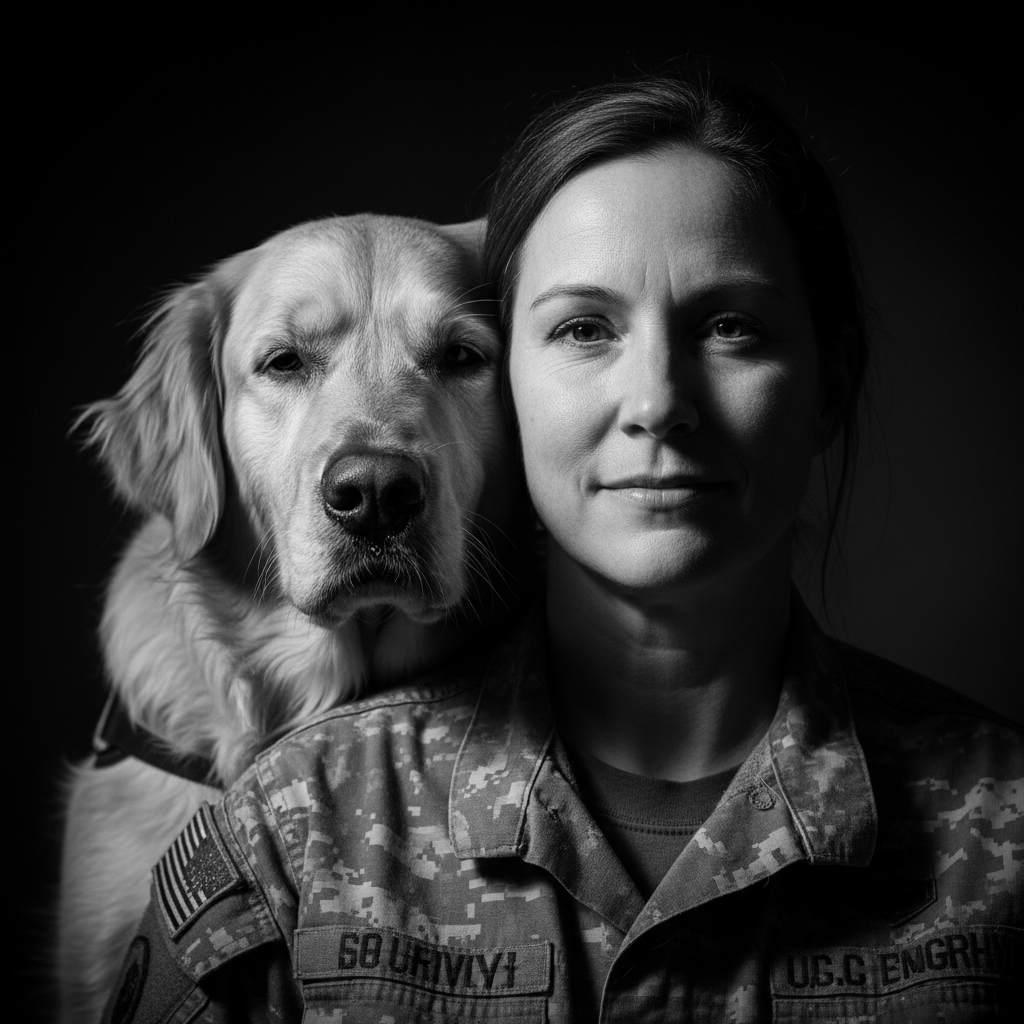
Mastering the VA Claims Process: Your 2026 Expert Guide
Navigating VA disability claims can be complex. Learn how to secure the veterans benefits you deserve by mastering the evidence and filing process today.
Understanding the VA Disability Claims Process
Navigating the complex landscape of VA disability benefits is often the most significant hurdle a veteran faces after service. Understanding the VA claims process is essential for securing the disability compensation you earned. Whether you are filing an initial claim or seeking to increase your VA disability rating, preparation is the foundation of success.
The Three Pillars of Service Connection
To establish a service connected disability, the Department of Veterans Affairs requires three specific elements:
- A current diagnosis of a disability.
- Evidence of an in-service event, injury, or illness.
- A medical nexus linking the current disability to the in-service event.
Without a strong nexus letter, even the most legitimate claims are often denied. This medical documentation acts as the bridge between your military service and your current medical condition.
How to File a VA Disability Claim Effectively
When you start the process, ensure you have comprehensive VA evidence. This includes service treatment records, private medical records, and any supporting documentation. If your records are incomplete, a buddy statement or lay statement can be vital in establishing the history of your condition. These statements provide context to your daily struggles, whether you are dealing with PTSD VA or chronic tinnitus VA issues.
Preparing for Your C&P Exam
The C&P exam is the most critical hurdle in your VA benefits journey. This examination is where the VA examiner assesses the severity of your symptoms. To prepare:
- Be honest about your worst days, not your best.
- Review your medical history before the appointment.
- Be prepared to discuss how your service connected disability impacts your daily life and employment.
Addressing Secondary Conditions and TDIU
Many veterans qualify for benefits beyond their primary rating. If your service connected injury causes secondary health issues, you may be eligible for an increased rating. Furthermore, if your conditions prevent you from maintaining substantially gainful employment, you may qualify for Total Disability Individual Unemployability (TDIU). This allows you to receive compensation at the 100% rate even if your scheduler rating is lower.
What to Do If You Receive a Denial
A denial is not the end of the road. If the VA denies your claim, you have the right to file a VA appeal. Review your decision letter carefully to identify missing evidence or misinterpretations of your medical records. Sometimes, a supplemental claim with new evidence is all that is needed to overturn a negative decision.
Taking Action Today
The VA disability compensation rates are designed to support you and your family, but the burden of proof lies with the veteran. Do not let the bureaucracy deter you from the benefits you have earned through your selfless service. Start by organizing your medical records, seeking a professional nexus letter if necessary, and submitting a well-documented application. If you need assistance navigating your specific case, consult with a certified Veterans Service Officer or an accredited attorney to ensure your path to the compensation you deserve is clear.
RELATED TOPICS: