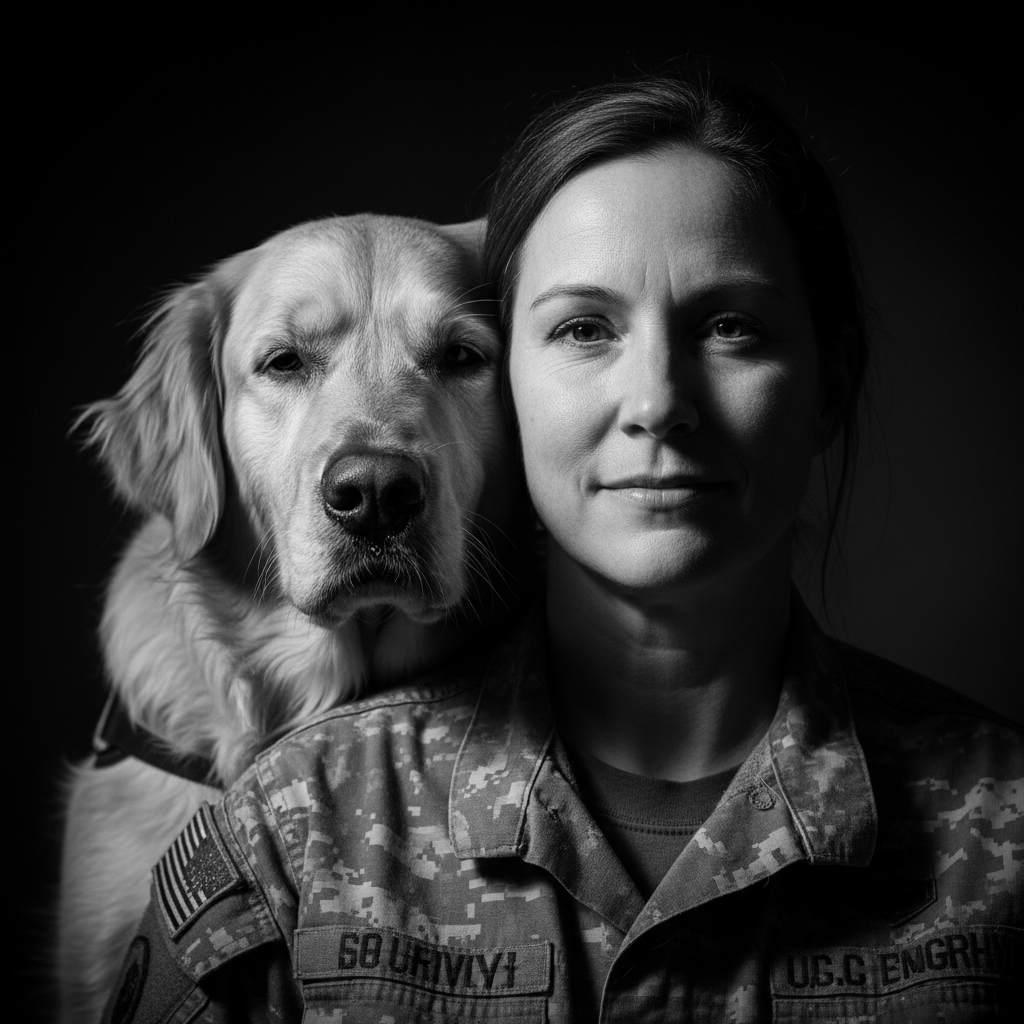
Mastering the VA Claims Process: Your 2026 Guide
Navigating VA disability claims can be complex. Learn how to successfully file for service connection and maximize your disability compensation today.
Understanding the VA Disability Claims Process
For many veterans, securing the VA benefits they earned is a daunting task. Understanding the VA claims process is the first step toward getting the disability compensation you deserve. Whether you are filing an initial application or seeking to increase VA disability rating, preparation is the key to success.
Establishing a Service Connection
To win a claim, you must establish a service connected disability. This requires three core elements: a current medical diagnosis, an in-service event or injury, and a nexus letter linking the two. Without this critical link, the VA is likely to deny your request for disability compensation.
How to File a VA Disability Claim
The process of how to file a VA disability claim starts with submitting Form 21-526EZ. Once your claim is received, it enters the VA claims process, which includes the development phase. During this time, you must provide robust VA evidence to support your position. This often includes:
- Medical records documenting your condition
- A personal statement detailing the impact on your life
- A buddy statement or lay statement to provide context from those who served with you
Preparing for Your C&P Exam
The C&P exam is a pivotal moment in your claim. It is not a treatment session; it is an evaluation. Be prepared to discuss your symptoms honestly and how they limit your daily activities. If you are filing for conditions like PTSD VA or tinnitus VA, focus on how these issues impair your ability to work and function in social settings.
Maximizing Your Disability Rating
VA disability compensation rates are based on your overall disability rating. If your symptoms have worsened, you may need to file for an increase. To support this, collect updated medical reports that clearly describe your current level of impairment. If you cannot maintain gainful employment due to your service-connected conditions, you may be eligible for total disability individual unemployability (TDIU), which compensates you at the 100% rate even if your combined rating is lower.
Handling Denials and the VA Appeal
If you receive a denial, do not be discouraged. The VA appeal process allows you to present new and relevant VA evidence. You have three lanes to choose from: the Higher-Level Review, the Supplemental Claim, or an appeal to the Board of Veterans' Appeals. Each path requires a different strategy, so consult your medical records and ensure your nexus is rock-solid.
Leveraging Secondary Service Connection
Often, a primary disability can lead to a secondary condition. For instance, chronic back pain might cause secondary gait issues or nerve damage. Recognizing these connections is an excellent way to increase your disability rating. Always ensure your healthcare provider documents these secondary issues clearly within your veteran healthcare records.
Call to Action
Your service deserves recognition and support. If you are struggling with your claim, do not go it alone. Review your documentation, gather your buddy statements, and ensure every detail is accounted for. If you need assistance navigating these regulations, contact a certified veterans service officer or accredited agent today to begin building your strongest possible case.
RELATED TOPICS: