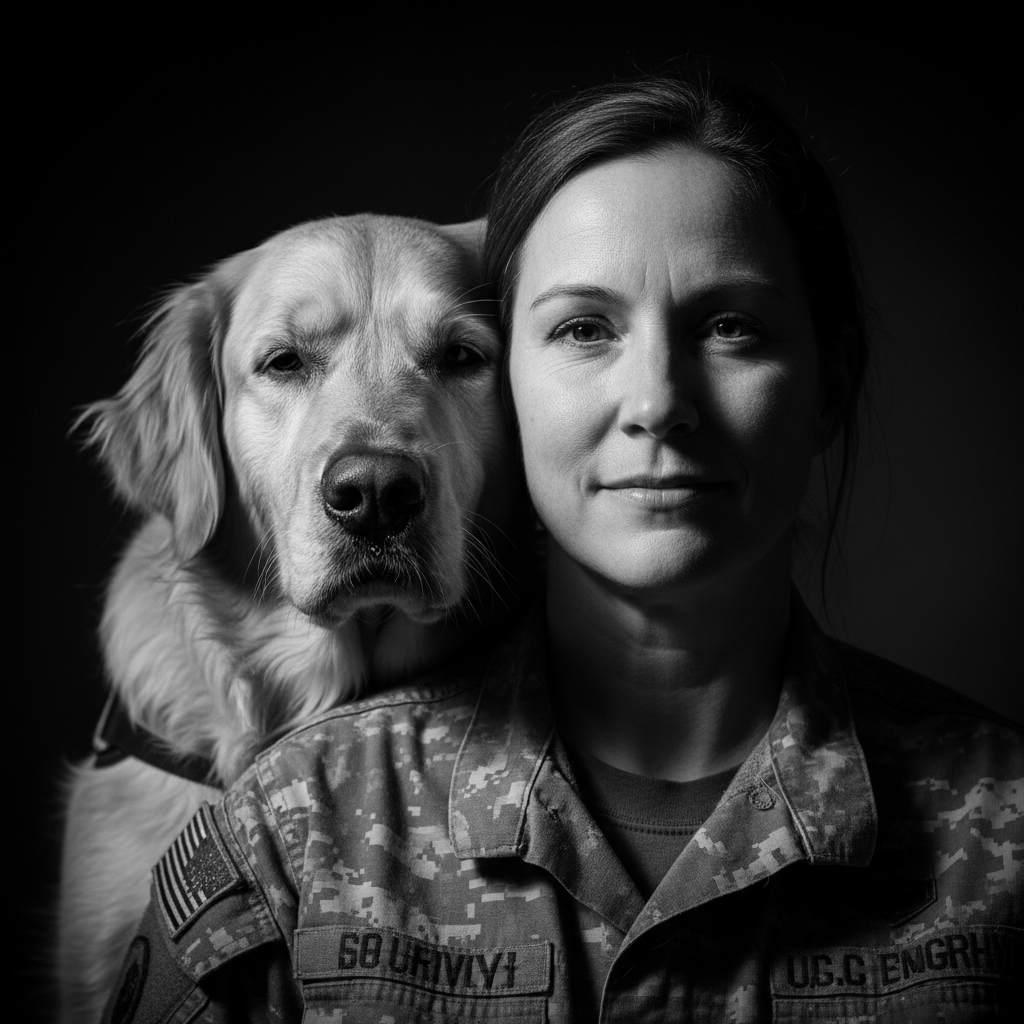
Mastering the VA Claims Process: Your 2026 Guide
Navigating VA disability claims can be complex. Learn the essential steps to secure your disability compensation, from gathering VA evidence to navigating C&P exams.
Understanding the VA Claims Process for Veterans
Securing VA disability compensation is a fundamental right for veterans who sustained injuries or illnesses during their service. The journey to obtaining the veterans benefits you deserve starts with a thorough understanding of the VA claims process. Whether you are filing an initial application or seeking to increase your disability rating, being prepared with the right information is the key to success.
The Three Pillars of Service Connection
To establish a service connected disability, the Department of Veterans Affairs requires three specific elements:
- A current medical diagnosis.
- Evidence of an in-service event, injury, or illness.
- A medical nexus linking the current condition to the in-service event.
Without a strong nexus letter from a qualified provider, many veterans struggle to prove that their disability is linked to their military service. This is where high-quality VA evidence becomes critical to your success.
How to File a VA Disability Claim Successfully
Learning how to file a VA disability claim involves more than just submitting a form. It requires a strategic approach to evidence gathering. The VA assesses your claim based on the severity of your symptoms and how they impact your daily life and earning capacity.
Leveraging Buddy Statements and Lay Evidence
Documentation is the backbone of your claim. If medical records are sparse, a buddy statement or lay statement can fill the gaps by providing personal accounts of your injury or the progression of a condition like PTSD VA or tinnitus VA. These statements provide context that a standard medical record might miss.
Preparing for Your C&P Exam
The C&P exam is a pivotal moment in the VA claims process. The examiner’s report is often the deciding factor in your disability rating. To prepare, ensure you are familiar with your medical history and are prepared to discuss how your condition limits your functional capacity. Never downplay your symptoms, as these examinations are snapshots of your condition.
Increasing Your Disability Rating and Seeking TDIU
If you find that your service-connected conditions have worsened, you may be eligible to increase your VA disability rating. Furthermore, if your disabilities prevent you from maintaining substantially gainful employment, you may qualify for Total Disability Individual Unemployability (TDIU). This designation allows you to receive compensation at the 100% rate, even if your combined rating is lower.
Managing Appeals and Denials
Receiving a denial is not the end of the road. If you disagree with a VA decision, you have several options for a VA appeal, including a Higher-Level Review, a Supplemental Claim, or an appeal to the Board of Veterans' Appeals. Understanding your rights is essential when challenging an unfavorable decision.
Next Steps for Your Benefits Journey
Securing your financial future and access to veteran healthcare requires patience and professional diligence. By maintaining organized records, securing a strong nexus letter, and ensuring your evidence reflects the full scope of your disability, you significantly improve your chances of a favorable outcome.
- Review the latest VA disability compensation rates to understand your potential monthly benefit.
- Consult with a qualified professional to audit your medical evidence.
- Stay proactive in tracking your claim status via the VA portal.
Ready to take control of your claim? Do not navigate this complex system alone. Contact our team of experts today to schedule your comprehensive claims assessment and ensure you receive the compensation you have earned through your selfless service.
RELATED TOPICS: