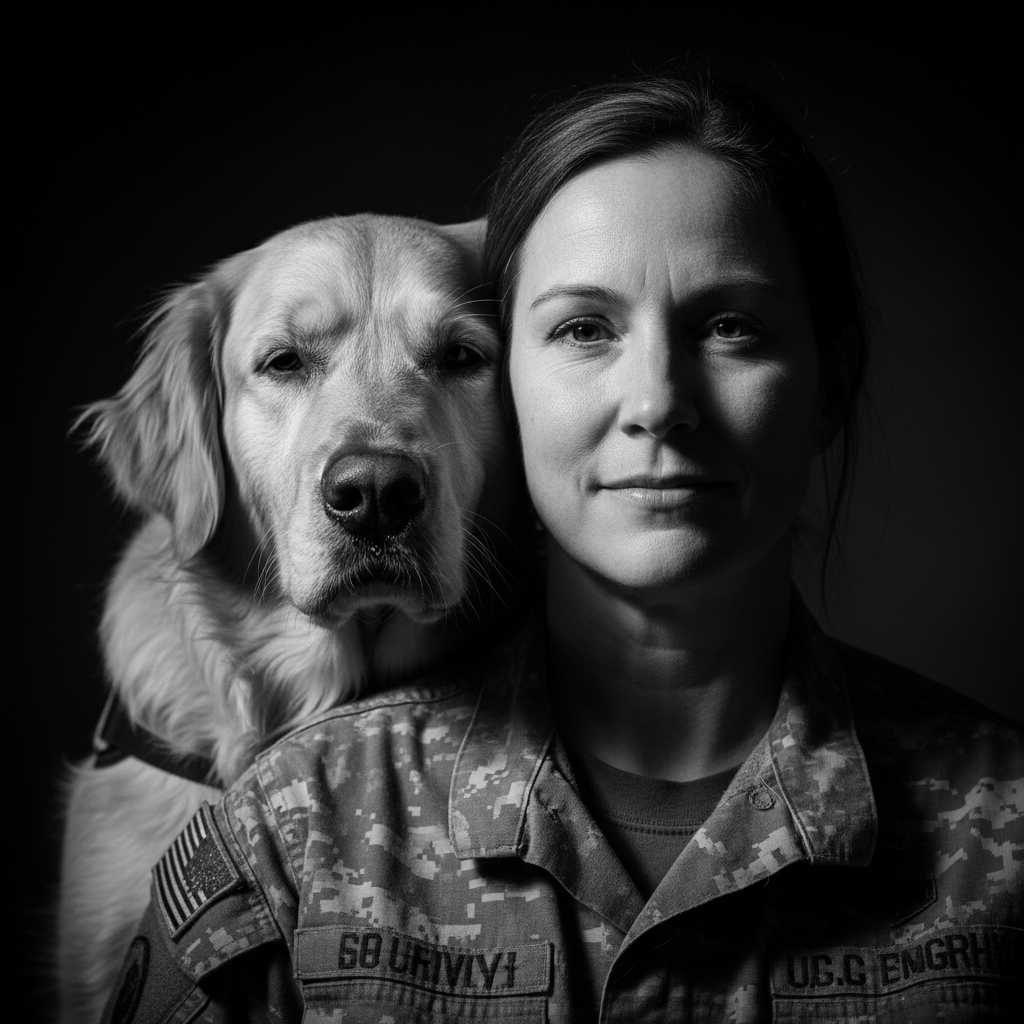
Mastering the VA Claims Process: Your Path to Benefits
Navigate the complex VA disability claims process with confidence. Learn how to secure your service connection, prepare for your C&P exam, and maximize your disability rating.
Mastering the VA Claims Process for Veterans Benefits
Navigating the Department of Veterans Affairs can feel overwhelming. If you are wondering how to file a VA disability claim, you are taking the first step toward securing the disability compensation you earned through your service. Understanding the VA claims process is essential for ensuring your application is complete and accurate.
Understanding Service Connection Requirements
To receive VA benefits, you must establish a service connected disability. This requires three core elements:
- A current medical diagnosis of a disability.
- Evidence of an in-service event, injury, or disease.
- A medical nexus letter or link connecting the current disability to that in-service event.
Without these, your claim may be denied. Strengthening your VA evidence is critical to a successful outcome.
The Importance of Your C&P Exam
The C&P exam is a pivotal moment in your claim. A medical professional will evaluate your condition to determine the severity of your symptoms. To prepare, ensure you have gathered all relevant medical records and are prepared to discuss how your disability impacts your daily life and ability to work. Whether you are dealing with PTSD VA-related symptoms or tinnitus VA claims, being honest and specific about your functional limitations is vital.
Maximizing Your Disability Rating
If you are looking to increase VA disability rating levels, you must demonstrate that your condition has worsened. You can support this with new medical records or by submitting a buddy statement or lay statement to provide context about your day-to-day struggles. Documenting your symptoms consistently is key to ensuring your disability rating accurately reflects your health.
When You Cannot Work: TDIU Explained
For veterans whose service-connected conditions prevent them from maintaining substantial gainful employment, total disability individual unemployability (TDIU) may be available. Even if your combined rating is below 100%, you may still qualify for payment at the 100% rate if your disabilities make employment impossible.
What to Do After a Denial
If you receive a denial, do not lose hope. The VA appeal process exists for a reason. You can choose from several review lanes, including a Higher-Level Review or a Supplemental Claim, to provide missing VA evidence. Understanding VA disability compensation rates can help you prioritize which claims to appeal first.
Actionable Steps for Success
- Organize your medical records and service treatment records.
- Ensure you have a nexus letter if the connection is not immediately apparent.
- Provide detailed lay statements to fill gaps in medical documentation.
- Prepare thoroughly for your C&P exam to ensure the examiner understands the full extent of your limitations.
Your service deserves recognition and support. If you are ready to take control of your future, reach out to a certified professional to review your file today and begin your journey toward the benefits you have earned.
RELATED TOPICS: