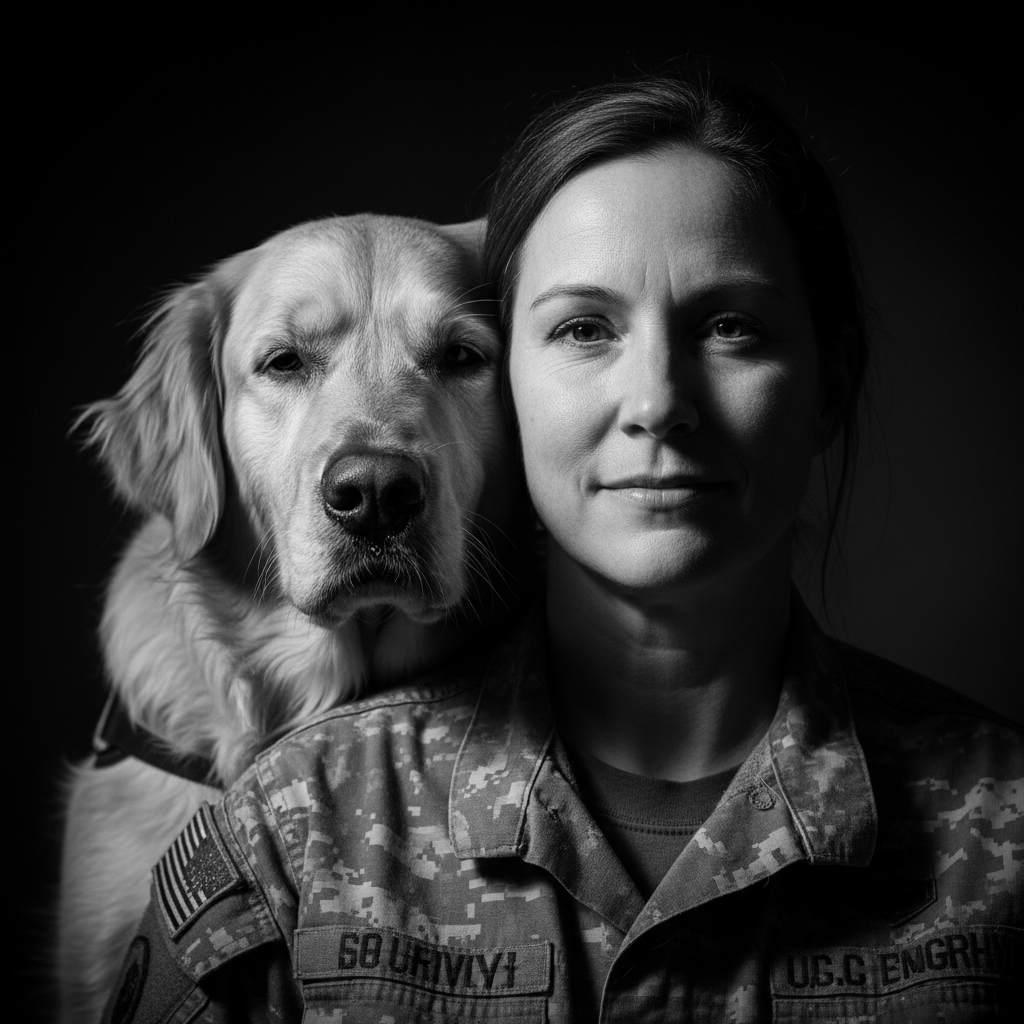
Mastering the VA Disability Claims Process: A 2026 Guide
Learn how to navigate the complex VA disability claims process effectively. From gathering VA evidence to mastering your C&P exam, we provide the expert steps needed to secure your hard-earned benefits.
Understanding the VA Disability Claims Process
Navigating the VA claims process can feel overwhelming, but understanding the foundational requirements is the first step toward receiving the disability compensation you deserve. Whether you are filing an initial claim or seeking to increase VA disability rating levels, preparation is key.
The Three Pillars of Service Connection
To establish a service connected disability, the VA requires three specific elements:
- A current medical diagnosis.
- An in-service event, injury, or symptom.
- A medical nexus letter linking the current condition to your military service.
How to File a VA Disability Claim Successfully
When you start how to file VA disability claim paperwork, ensure you have a complete records review. Your VA evidence is the backbone of your case. Start by gathering your service treatment records (STRs) and any private medical records that support your claim.
The Critical Role of the C&P Exam
The C&P exam (Compensation and Pension exam) is often the most stressful part of the process. Remember, the examiner is there to evaluate the severity of your condition. Be honest about your symptoms, specifically how they impact your daily life and occupational functioning. If you have been diagnosed with PTSD VA-related issues or are claiming for tinnitus VA, ensure your description of symptoms matches the severity criteria set by the VA.
Leveraging Buddy Statements and Lay Evidence
You are not alone in documenting your struggles. A buddy statement or any form of lay statement provides crucial corroborating evidence. These statements offer a 'buddy's-eye view' of how your disability has persisted since service, which can be the difference between a grant and a denial.
Understanding VA Disability Ratings and TDIU
Your disability rating directly determines your monthly VA disability compensation rates. If your conditions prevent you from maintaining substantial gainful employment, you may qualify for Total Disability Individual Unemployability (TDIU). This allows you to be compensated at the 100% rate even if your combined schedular rating is lower.
What if You Receive a Denial?
A denial is not the end of the road. You have the right to file a VA appeal. Whether you choose a Supplemental Claim, a Higher-Level Review, or a Board appeal, ensure you address the specific reasons for denial found in your decision letter. Strengthening your VA evidence with new medical opinions or private nexus letters can often overturn an initial negative decision.
Final Steps to Maximize Your Veterans Benefits
Accessing veteran healthcare is a lifelong right earned through your service. Ensure you keep your records updated and don't hesitate to seek professional guidance if you feel your current rating does not accurately reflect your health status. Remember, consistency is the key to success in the VA benefits system.
Need help with your claim? Contact our expert team today for a consultation to ensure your file is fully developed and ready for adjudication. Don't leave your hard-earned benefits on the table.
RELATED TOPICS: