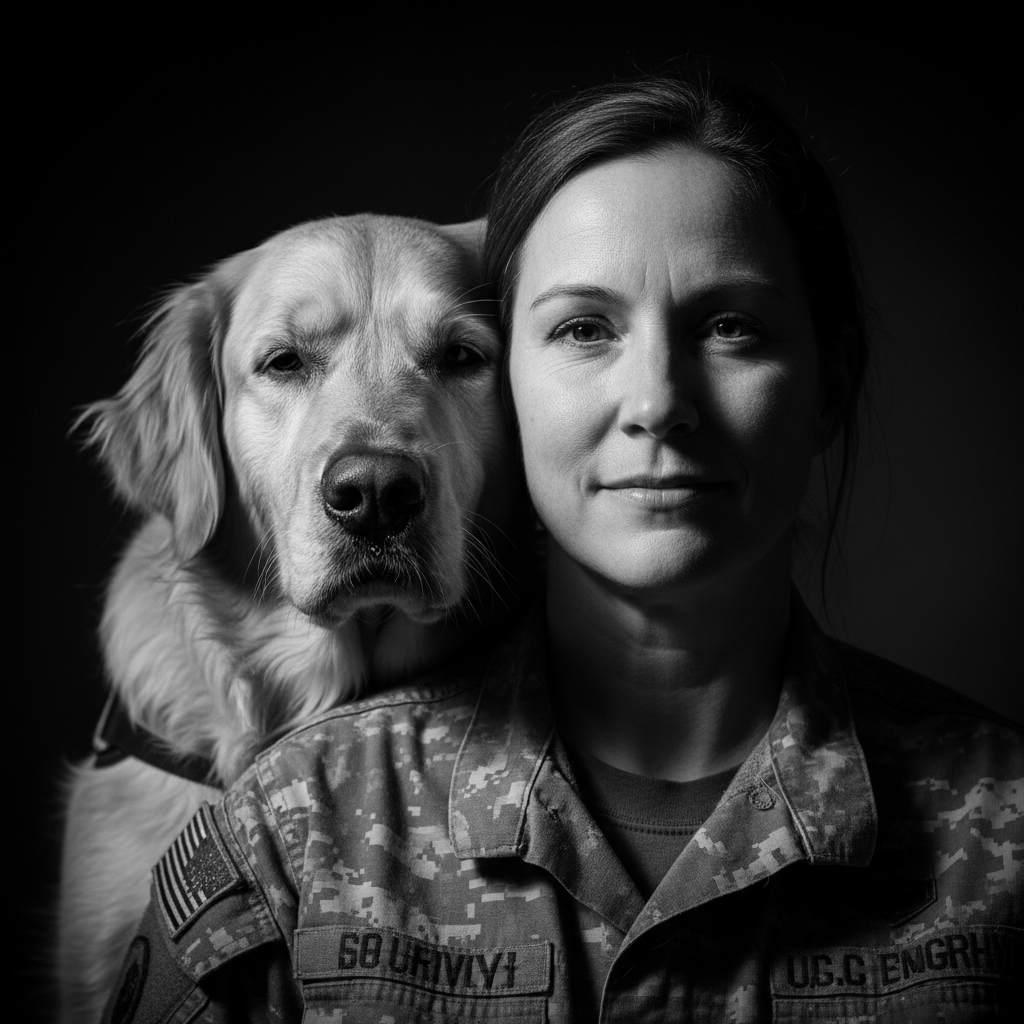
Mastering the VA Disability Claims Process: A 2026 Guide
Learn how to navigate the complex VA disability claims process, secure your service connection, and maximize your disability compensation effectively.
Understanding the VA Claims Process
Navigating the VA claims process can feel overwhelming for many veterans. Whether you are filing an initial claim for disability compensation or seeking an increase VA disability rating, understanding the requirements is critical for success. As of August 2026, the Department of Veterans Affairs continues to modernize, yet the core requirements for VA benefits remain rooted in proving your service connected disability.
The Three Pillars of Service Connection
To win your claim, you must establish a service connection. This is defined by three essential elements:
- A current medical diagnosis of a disability.
- Evidence of an in-service event, injury, or disease.
- A medical nexus letter or link connecting the current diagnosis to the in-service event.
Without these three pillars, your claim is likely to face a denial. Utilizing VA evidence like your service medical records and personnel files is the first step in building a strong foundation.
Preparing for Your C&P Exam
The C&P exam (Compensation & Pension exam) is often the most stressful part of the journey. This evaluation is not a treatment session; it is a diagnostic tool used by the VA to determine the severity of your condition.
How to Ace Your Evaluation
- Review Your Records: Know your symptoms inside and out.
- Be Honest About 'Bad Days': Don't minimize your pain or mental health struggles.
- Include Supporting Documents: A buddy statement or lay statement from a spouse or fellow veteran can provide context that medical records might miss.
Whether you are claiming PTSD VA or tinnitus VA, the examiner is looking for clear, consistent data points that justify your disability rating.
Maximizing Your Disability Compensation
Once you are rated, you may want to monitor current VA disability compensation rates to understand your monthly entitlement. If your condition worsens, you have the right to request an increase. If your service-connected conditions prevent you from maintaining gainful employment, you may qualify for Total Disability Individual Unemployability (TDIU), which pays at the 100% rate even if your combined rating is lower.
When Claims Are Denied
If you receive a denial, do not give up. The VA appeal process allows you to challenge the decision through the Appeals Modernization Act. You can submit additional evidence, including new medical opinions or private nexus letters, to strengthen your case during the supplemental claim or higher-level review lane.
Actionable Steps for Veterans
If you are wondering how to file VA disability claim documents, start by gathering your private medical records and ensuring you have a current veteran healthcare provider who can support your nexus arguments. Remember that every claim is unique, and patience is as important as preparation.
Need help with your claim? Our team specializes in helping veterans secure the compensation they have earned. Contact us today for a consultation to review your strategy and ensure your VA evidence is ready for submission.
RELATED TOPICS: