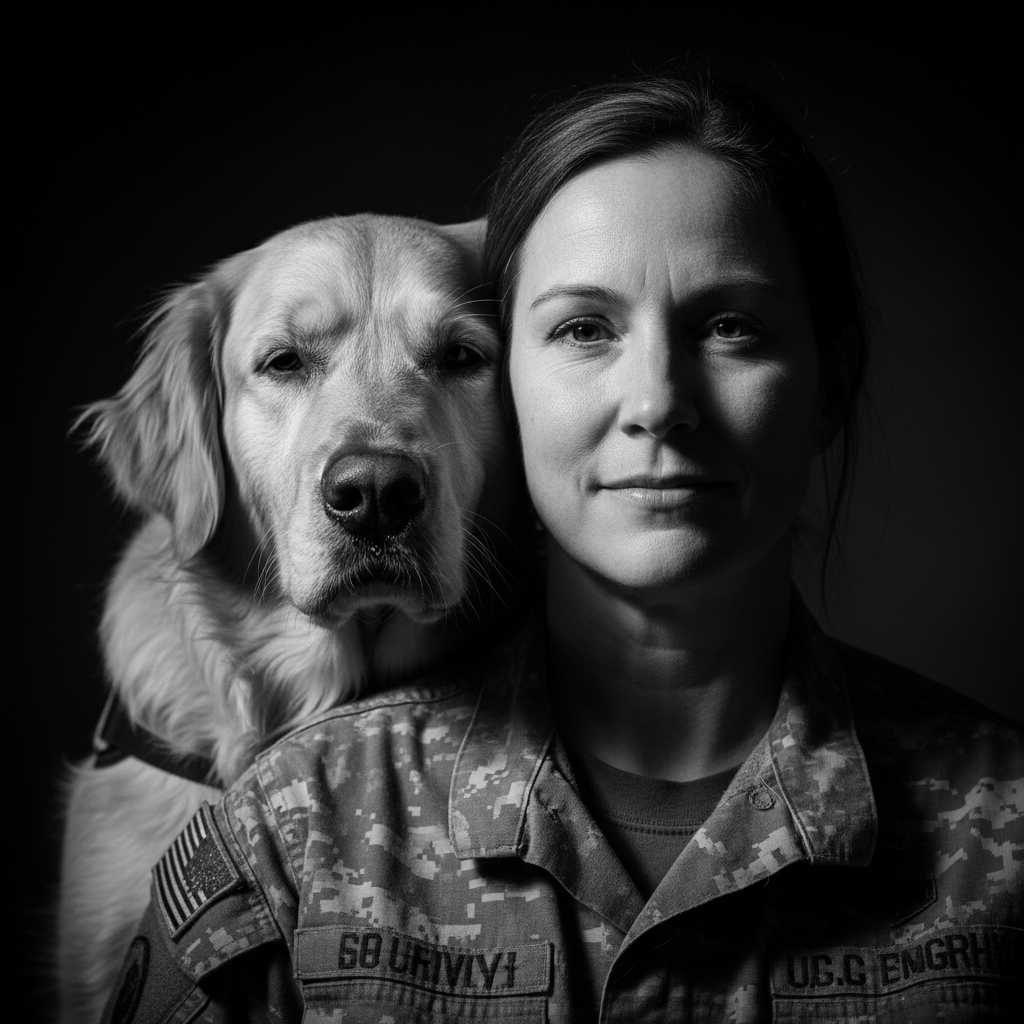
Mastering the VA Disability Claims Process: A 2026 Guide
Navigating VA disability claims can be complex. Learn how to secure your benefits with this comprehensive guide on service connection, evidence, and appeals.
Understanding the VA Disability Claims Process
Navigating the VA disability system requires patience, precision, and an understanding of how the VA evaluates service-connected disability. As of October 2026, the VA claims process remains a rigorous procedure, but with the right preparation, veterans can successfully secure the disability compensation they deserve.
How to File a VA Disability Claim
The first step in your journey is filing an Intent to File, which preserves your potential effective date for retroactive VA benefits. When you are ready to file, ensure your paperwork is complete:
- Complete VA Form 21-526EZ.
- Gather your DD-214 and all relevant military personnel records.
- Compile your private medical records and VHA veteran healthcare documentation.
Establishing Service Connection Requirements
To win your claim, you must prove three things: a current diagnosis, an in-service event or injury, and a nexus (a link) between the two. The nexus letter is often the deciding factor in whether a claim is granted or denied. If you lack medical evidence, a buddy statement or lay statement can help support your narrative regarding how your injury occurred during active duty.
Preparation for Your C&P Exam
The C&P exam (Compensation & Pension exam) is a critical step in the VA claims process. The examiner’s opinion will weigh heavily on your final disability rating. Be honest about your symptoms, especially regarding conditions like PTSD VA or tinnitus VA, which are common but often require specific evidentiary support. Do not downplay your symptoms on your "good days"; the examiner needs to understand how your condition affects your daily life and work capacity.
The Role of VA Evidence
Strong VA evidence is the backbone of any successful claim. Beyond medical records, consider submitting:
- Nexus Letters: A professional medical opinion linking your condition to military service.
- Buddy Statements: Personal accounts from fellow service members who witnessed your injury or the onset of symptoms.
- Personal Statements: A detailed account of how your service connected disability impacts your personal and professional life.
Managing Your Disability Rating
Veterans often wonder how to increase VA disability rating percentages if their condition worsens over time. If your existing condition has deteriorated, you may file for an increase. Furthermore, if you are unable to maintain gainful employment due to your service-connected conditions, you may qualify for Total Disability Individual Unemployability (TDIU). This status compensates veterans at the 100% rate even if their combined disability rating is lower.
What to Do If You Receive a Denial
If the VA denies your claim, do not lose hope. You have the right to a VA appeal. You can choose from three decision review tracks:
- Higher-Level Review: A senior rater reviews the evidence previously submitted.
- Supplemental Claim: You submit new and relevant VA evidence that was not previously reviewed.
- Board Appeal: A hearing before a Veterans Law Judge.
Understanding VA disability compensation rates and the specific requirements for your claim is vital. Whether you are dealing with mental health challenges or physical ailments, the path to benefits is paved with proper documentation. If you need assistance with your specific claim, consult with a professional veterans service officer or accredited agent to ensure your rights are protected throughout the VA claims process.
Ready to take the next step? Start gathering your medical records today and consult with a specialist to review your service connection strategy. Your service deserves recognition—don't let the paperwork stand in your way.
RELATED TOPICS: