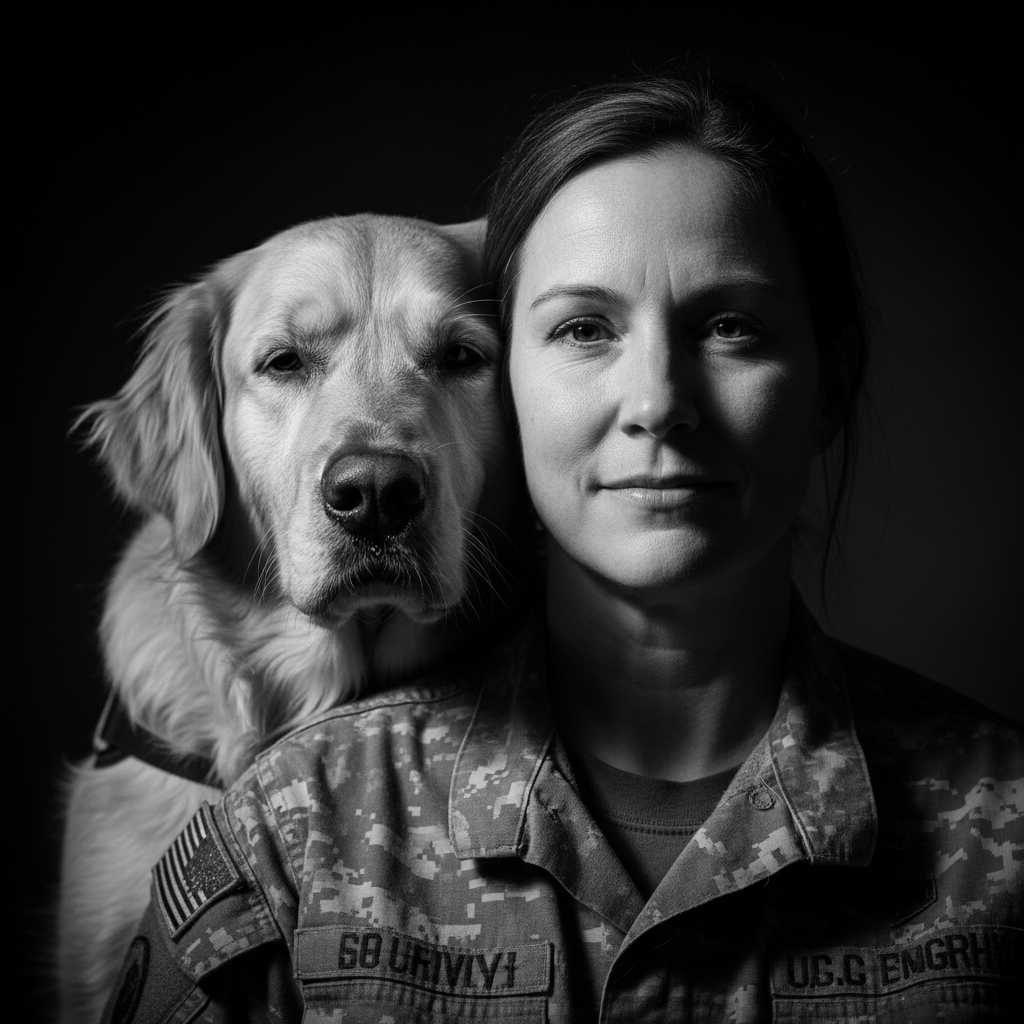
Mastering the VA Disability Claims Process: A 2026 Guide
Navigating the VA claims process can feel overwhelming. Learn how to secure your disability compensation and maximize your benefits with this expert guide.
Understanding the VA Disability Claims Process
Navigating the complex landscape of VA disability benefits can be daunting for any veteran. Whether you are filing an initial claim or looking to increase VA disability rating levels, understanding the VA claims process is the first step toward securing the support you deserve. This guide outlines how to build a winning strategy for your disability compensation.
Defining Service Connection Requirements
To successfully claim VA benefits, you must establish a service connected disability. This requires three essential pillars of VA evidence:
- A current diagnosis of a disability.
- Evidence of an in-service event, injury, or illness.
- A medical nexus linking the current disability to the in-service event.
Without a strong medical nexus letter, even valid claims are often denied. Ensuring your medical records clearly document the continuity of care is vital for a positive outcome.
Preparation for the C&P Exam
The C&P exam is perhaps the most critical stage in the VA claims process. The examiner acts as the eyes and ears for the VA rater. To prepare effectively:
- Review your entire medical history before the appointment.
- Be honest and accurate about your "worst days," not just your average days.
- If you have PTSD VA-related symptoms or tinnitus VA issues, articulate how they specifically impact your daily life and occupational functioning.
Leveraging Buddy Statements and Lay Evidence
Never underestimate the power of a buddy statement or lay statement. These documents provide context to your disability rating that clinical notes might miss. A spouse or fellow veteran can detail behavioral changes or limitations caused by your service-connected conditions, providing the VA with a holistic view of your health.
Navigating Denials and Appeals
If you receive an unfavorable decision, do not lose hope. The VA appeal system provides veterans multiple lanes to challenge a denial. Whether you choose a Supplemental Claim or a Board appeal, ensure you provide new and relevant evidence. If you are unable to work due to your conditions, explore total disability through individual unemployability (TDIU), which allows you to receive compensation at the 100% rate even if your combined rating is lower.
Maximizing Your Disability Compensation Rates
Stay informed regarding the latest VA disability compensation rates. As you evaluate your status, focus on the secondary conditions that may stem from your primary service-connected injuries. Chronic pain leading to mental health struggles or hearing loss leading to isolation are common examples of secondary service connection pathways that can significantly impact your financial future and access to veteran healthcare.
Take Control of Your Future
Securing your rightful benefits requires persistence and precision. If you are struggling with how to file VA disability claim paperwork or feel your current rating is inaccurate, it is time to take action. Do not face the system alone; gather your VA evidence, consult with experts, and advocate for the support you earned while serving your country. Contact us today for a comprehensive evaluation of your claim status.
RELATED TOPICS: