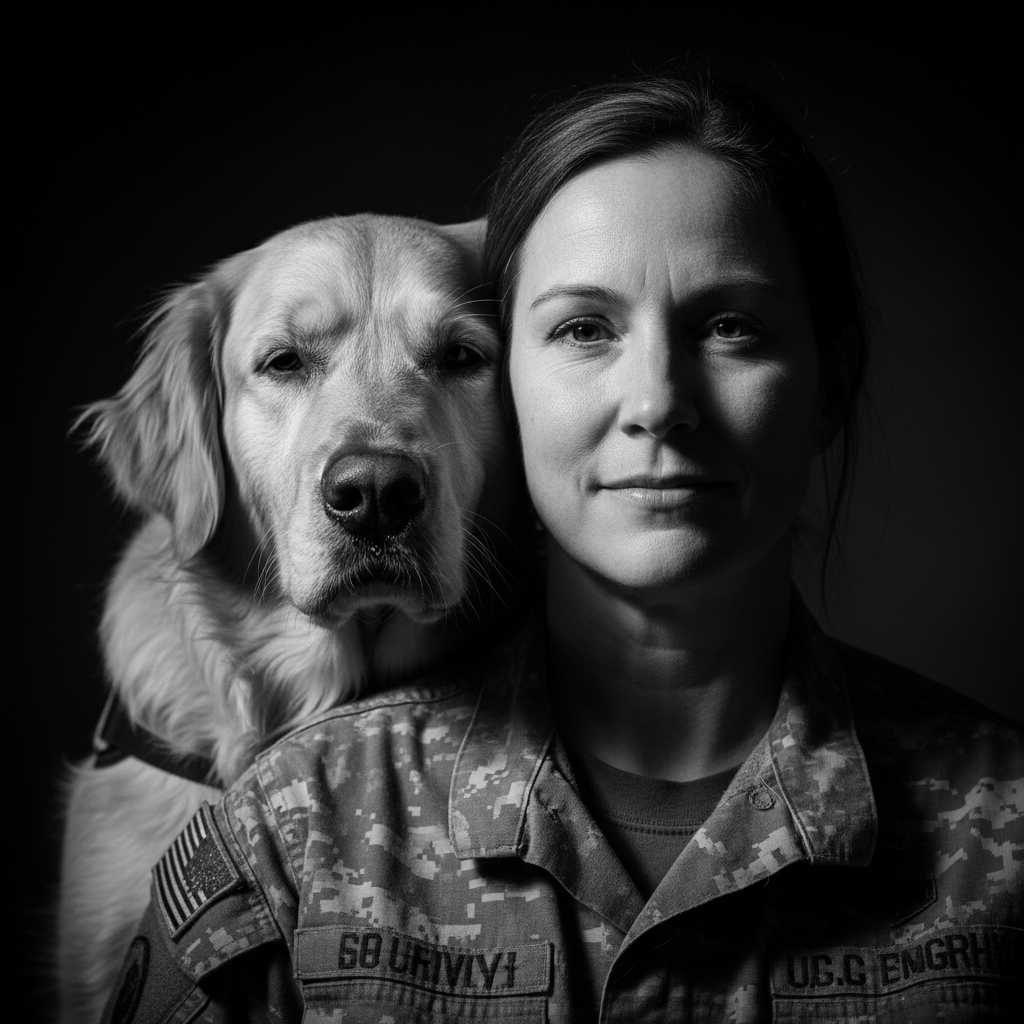
Mastering the VA Disability Claims Process: A Full Guide
Navigate your path to deserved VA benefits with our expert guide. Learn how to strengthen your VA claim, master the C&P exam, and secure the compensation you earned.
Understanding the VA Claims Process
Navigating the complex world of VA disability benefits can be overwhelming for any veteran. Whether you are wondering how to file a VA disability claim for the first time or looking to increase VA disability rating, understanding the VA claims process is your first step toward success.
Establishing a Service Connection
To qualify for disability compensation, you must prove a service connected disability. This requires three essential pillars: a current diagnosis, an in-service event or injury, and a nexus letter linking the two. Without this clear link, your claim for veterans benefits will likely be denied.
Essential VA Evidence Requirements
The Department of Veterans Affairs operates on a "burden of proof" system. You must provide robust VA evidence to support your condition. This includes:
- Medical records showing current treatment.
- A nexus letter from a qualified physician to prove causality.
- Buddy statement or lay statement forms (VA Form 21-10210) to corroborate your symptoms.
- Personal statements regarding the impact of your condition on daily life.
Preparing for Your C&P Exam
The C&P exam is perhaps the most critical component of your claim. It is not a standard doctor's visit; it is an examination to determine the severity of your condition. To prepare, review your medical records, be honest about your worst days, and ensure the examiner understands how your service connected disability impacts your ability to work and function.
Common Disability Conditions
PTSD and Mental Health
When filing a PTSD VA claim, stressors must be documented. The VA requires evidence of an in-service stressor that is "service-related." Documenting your symptoms clearly in a lay statement is vital for success.
Tinnitus and Hearing Loss
For tinnitus VA claims, veterans must show that their service environment exposed them to acoustic trauma. While often considered a lower-rated condition, it remains a foundational entry point for many veterans into the veteran healthcare system.
Increasing Your Disability Rating
If you feel your current disability rating does not reflect the severity of your symptoms, you may seek an increase. Understanding the current VA disability compensation rates is essential for managing your financial expectations. If your service-connected conditions prevent you from maintaining substantial gainful employment, you may qualify for total disability based on individual unemployability (TDIU).
What to Do if Your Claim is Denied
A denial is not the end of the road. You have the right to file a VA appeal. Whether choosing a Supplemental Claim, a Higher-Level Review, or an appeal to the Board of Veterans' Appeals, you must address the specific reasons for the denial. Use your medical evidence to fill the gaps identified in your decision letter.
Actionable Steps for Veterans:
- Gather your service treatment records (STRs).
- Consult with a qualified medical professional for a nexus opinion.
- Draft thorough buddy statements from friends or colleagues who witnessed your injury or mental health shift.
- Review your file on the VA website before your C&P exam.
- Ensure your contact information is current to receive timely updates.
Do not navigate this journey alone. If you are struggling with the documentation or fear a potential denial, reach out to an accredited representative or VSO today to advocate for your rights.
Ready to take the next step in your VA claim? Contact a professional consultant today to discuss your evidence and prepare your path to the compensation you have earned.
RELATED TOPICS: