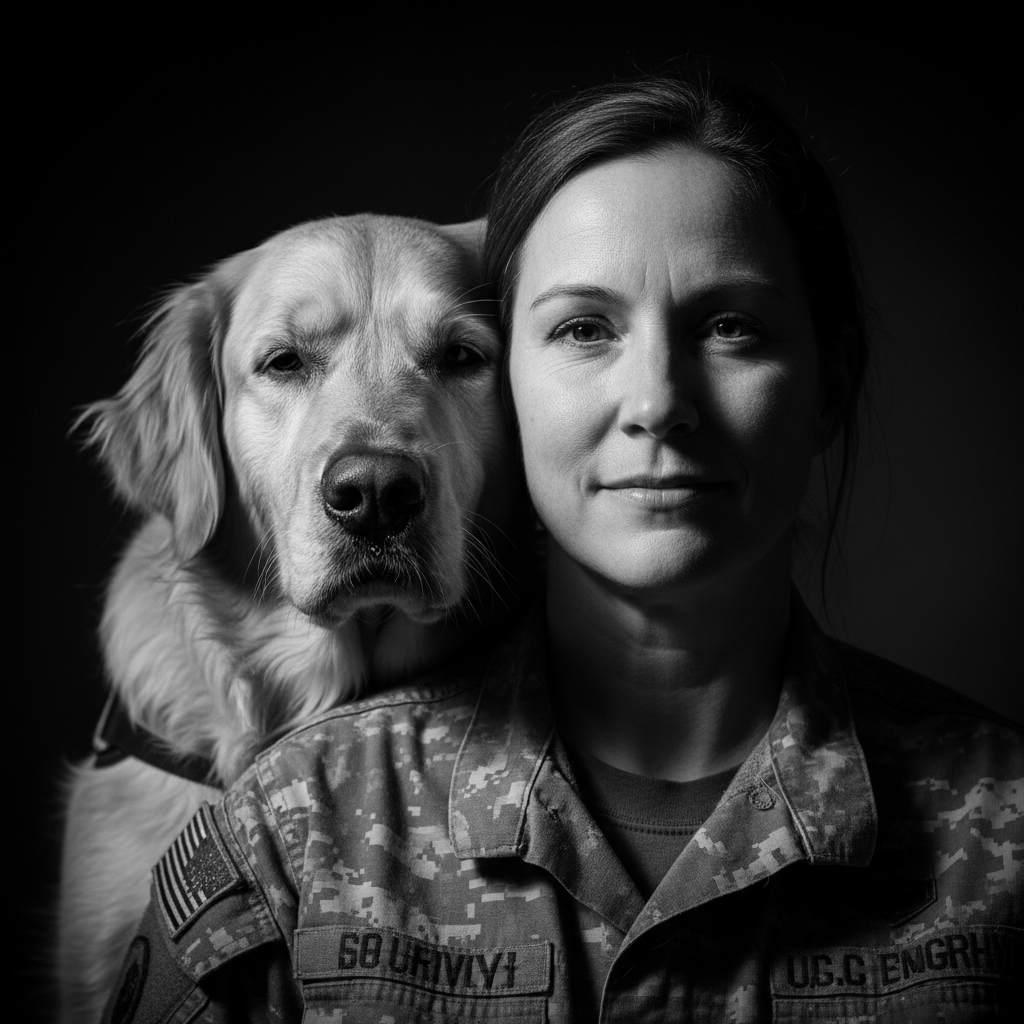
Mastering the VA Disability Claims Process: A Guide
Navigating VA disability claims can be complex. Learn how to secure your disability compensation by mastering the service connection process and evidence gathering.
Understanding the VA Disability Claims Process
Navigating the VA disability claims process is often the most significant challenge a veteran faces after service. Understanding how to successfully obtain disability compensation requires more than just filling out forms; it requires a strategic approach to proving service connection. Whether you are filing an initial claim, seeking an increase for a service connected disability, or preparing for a C&P exam, preparation is key.
The Three Pillars of Service Connection
To succeed with your VA claims, you must demonstrate three core requirements: a current diagnosis, an in-service event or stressor, and a medical nexus connecting the two. If you are struggling with a condition like tinnitus VA or PTSD VA, providing robust VA evidence is mandatory.
- Current Diagnosis: You must have a medical professional confirm your condition.
- In-Service Event: Documentation showing your injury or illness occurred during military service.
- Medical Nexus: A link between your service and your current disability, often provided through a professional nexus letter.
Effective VA Evidence Requirements
When you learn how to file VA disability claim documents, you quickly realize that documentation is your greatest asset. Beyond medical records, many veterans benefit from a well-written buddy statement or lay statement. These documents provide first-hand accounts of how your disability manifests in your daily life, bridging gaps in medical records.
Preparing for Your C&P Exam
The C&P exam is the most critical hurdle in the VA claims process. Examiners are contracted to determine the severity of your condition, which directly influences your disability rating. During your exam, be honest about your worst days. Do not minimize your symptoms. Remember that your disability compensation depends on an accurate assessment of how your condition affects your occupational and social functioning.
Secondary Conditions and Ratings
If you already have a service connected disability, it may be causing secondary health issues. Many veterans qualify for an increase VA disability rating by identifying these secondary links. For example, chronic back pain may lead to secondary radiculopathy or mental health struggles. Proving these secondary connections can significantly impact your total disability compensation rates.
Total Disability and Individual Unemployability (TDIU)
If your service connected disabilities prevent you from maintaining substantial gainful employment, you may be eligible for Total Disability Individual Unemployability (TDIU). This allows you to receive compensation at the 100% rate even if your combined disability rating is lower. To qualify, you must show that your service connected conditions are the primary reason for your inability to work.
What to Do If You Receive a Denial
If your claim is denied, you have the right to a VA appeal. Do not get discouraged; many claims are granted only after a formal appeal process. Use the Decision Review Request (VA Form 20-0995) if you have new and relevant VA evidence to submit. If you feel the rater erred, a Higher-Level Review may be the appropriate path.
Maximize Your Veterans Benefits Today
Securing the benefits you earned is your right. By meticulously gathering VA evidence, obtaining a strong nexus letter, and ensuring your buddy statement effectively communicates your reality, you can take control of your future. If you feel overwhelmed, remember that you do not have to do this alone. Reach out to a certified professional to review your file and ensure you are not leaving any benefits on the table. Start your journey toward the compensation you deserve today.
RELATED TOPICS: