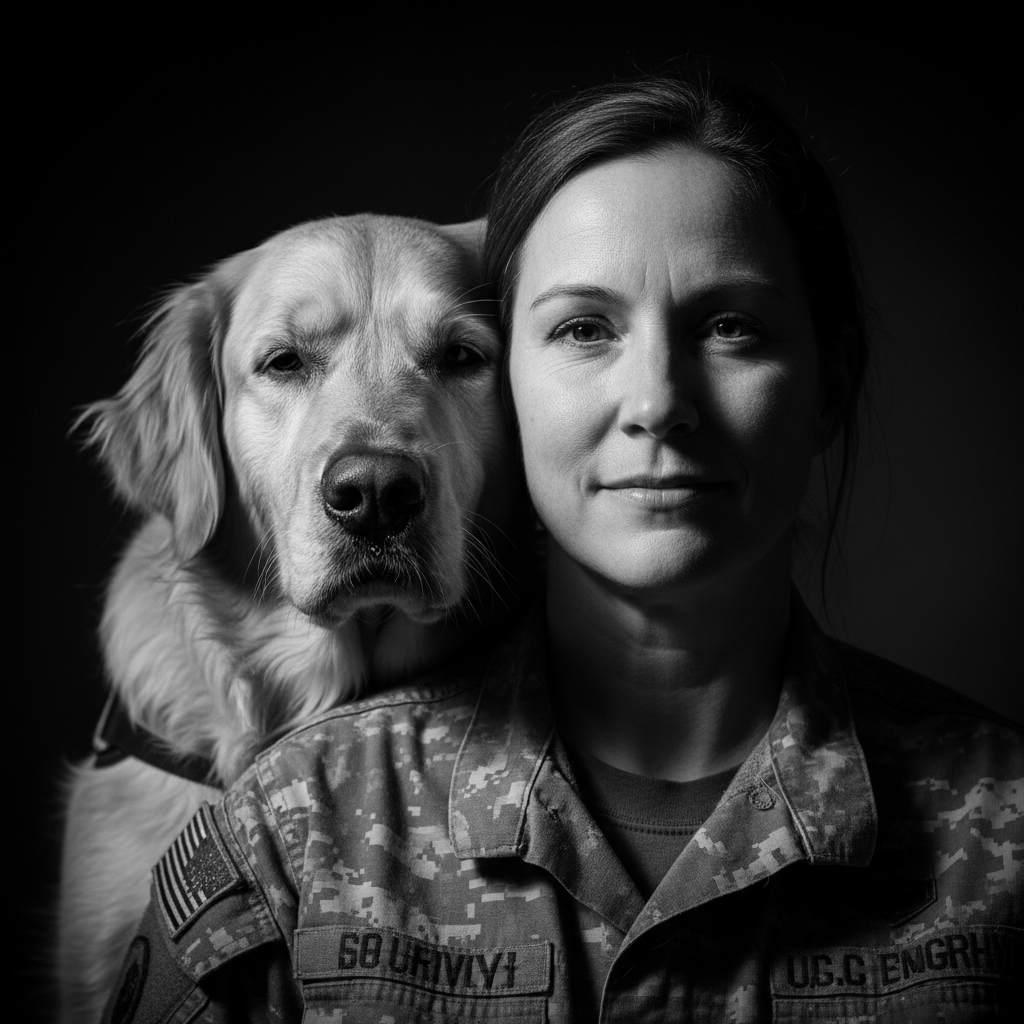
Mastering the VA Disability Claims Process: A Guide for Vets
Navigating VA disability claims can feel overwhelming. Learn how to successfully file your claim, gather evidence, and secure the benefits you deserve.
Understanding the VA Disability Claims Process
Navigating the complex world of VA disability benefits can be an exhausting endeavor for many service members. However, understanding the VA claims process is the first step toward securing the disability compensation you have earned through your service. Whether you are filing an initial claim or looking to increase VA disability rating, being prepared is essential.
What is Service Connection?
At the heart of every claim is the concept of service connection. To receive benefits, you must prove that your service connected disability was caused or aggravated by your time in the military. This requires three critical components: a current diagnosis, an in-service event or injury, and a medical link known as a nexus letter connecting the two.
Steps to File Your VA Disability Claim
Learning how to file VA disability claim correctly can prevent unnecessary delays. Follow these steps to ensure your application is thorough:
- Complete VA Form 21-526EZ.
- Gather all medical records related to your condition.
- Secure a nexus letter if your service connection is not immediately apparent.
- Provide VA evidence, including buddy statement forms or a lay statement, to support your history.
Preparing for Your C&P Exam
The C&P exam is perhaps the most nerve-wracking part of the process. This examination allows the VA to assess the severity of your condition. To prepare, ensure you are honest about your worst days and how your condition impacts your daily life and ability to work. Remember that the examiner is there to document your symptoms, not to be your friend or enemy.
Common Disability Claims
Many veterans struggle with specific conditions that are frequently claimed. Common examples include:
- PTSD VA claims, which often require extensive documentation of a stressor.
- Tinnitus VA claims, which involve ringing in the ears following exposure to loud noise.
Maximizing Your Disability Rating and Benefits
If your condition prevents you from maintaining substantial gainful employment, you might qualify for Total Disability Individual Unemployability (TDIU). This status allows you to receive compensation at the 100% rate even if your combined disability rating is technically lower. Always reference the current VA disability compensation rates to understand your expected financial outcome.
Dealing with Denials and Appeals
If you receive a denial, do not give up. The VA appeal process exists specifically to address errors made during the initial adjudication. Review your decision letter carefully to understand exactly what evidence was missing. If you failed to provide sufficient VA evidence initially, a supplemental claim might be your best path forward.
Final Tips for Success
- Keep your veteran healthcare records updated regularly.
- Use buddy statements to provide context for invisible injuries.
- Stay organized with all correspondence from the VA.
Your service matters, and you deserve the veterans benefits promised to you. If you need assistance navigating your specific case, reach out for a consultation today to ensure your claim is as strong as it can possibly be.
RELATED TOPICS: