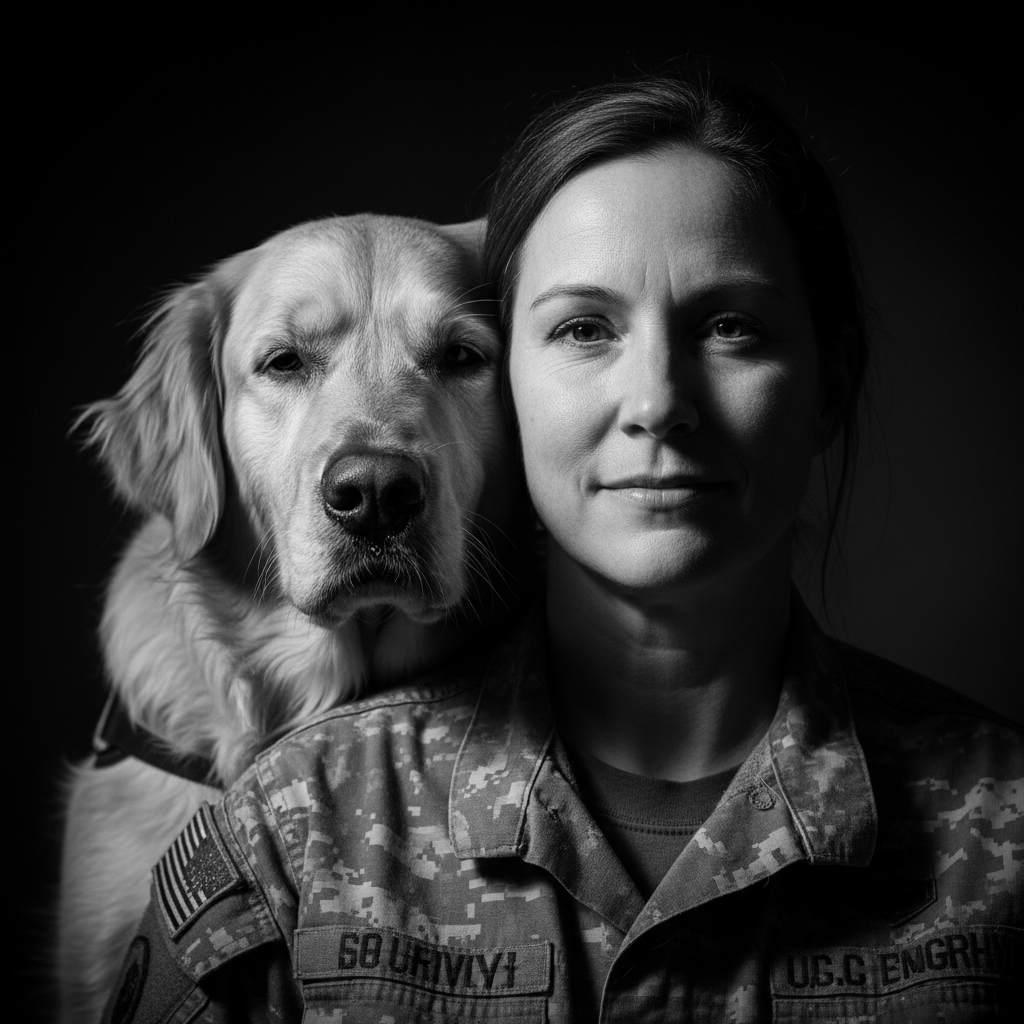
Mastering the VA Disability Claims Process: A Guide for Vets
Navigating the VA disability claims process can be complex. Learn how to secure your benefits, understand your rating, and prepare your VA evidence effectively.
Understanding the VA Claims Process
For many veterans, the VA disability claims process feels like an uphill battle. Whether you are filing for the first time or seeking to increase VA disability rating, understanding the core requirements is essential. This guide provides an authoritative look at securing the disability compensation you deserve.
Defining Service Connection
To succeed, every claim must establish a service connected disability. This requires three critical elements: a current medical diagnosis, an in-service event or injury, and a nexus—or medical link—between the two. Without a strong nexus letter, your claim is significantly more likely to be denied. Veterans should also document their veteran healthcare records meticulously to support their claims.
How to File a VA Disability Claim Successfully
Filing correctly the first time saves months of stress. Start by gathering all VA evidence, including private medical records and personal statements. Follow these steps:
- Submit an Intent to File to secure your effective date.
- Compile your service treatment records alongside current medical documentation.
- Use a buddy statement or lay statement to provide context for invisible injuries like PTSD VA or tinnitus VA.
- Complete Form 21-526EZ to initiate the formal process.
C&P Exam Preparation: Your Key to Success
The C&P exam is the most critical hurdle in the VA claims process. It is not a standard doctor’s visit; it is a consultative evaluation. Prepare by knowing your symptoms, being honest about your worst days, and reviewing your medical history. Remember, the examiner is there to verify the severity of your condition, so ensure they understand how your disability impacts your daily life and work.
Navigating Ratings and Compensation
The VA disability rating system determines your monthly tax-free payment based on current VA disability compensation rates. If your combined conditions prevent you from maintaining substantially gainful employment, you may qualify for total disability based on individual unemployability (TDIU). This is a vital program for those whose service-connected conditions make a traditional career impossible.
When a Claim Is Denied
If you receive a denial, do not lose hope. The VA appeal process allows you to fight back. Whether you choose a Supplemental Claim, Higher-Level Review, or a Board Appeal, you have the right to provide new and relevant evidence to correct the VA's error. Always review your decision letter carefully to identify exactly why the VA denied your claim.
Pro-Tips for Veteran Success
- Keep copies of everything you send to the VA.
- Maintain a personal journal to track chronic pain or mental health episodes.
- Seek accredited representation to ensure your rights are protected throughout the process.
Take Action Today
You served your country; now let us help you secure the support you earned. If you are struggling with a claim or need assistance gathering the right evidence, reach out to an accredited representative. Don't leave your benefits on the table—start your journey to the compensation you deserve today.
RELATED TOPICS: