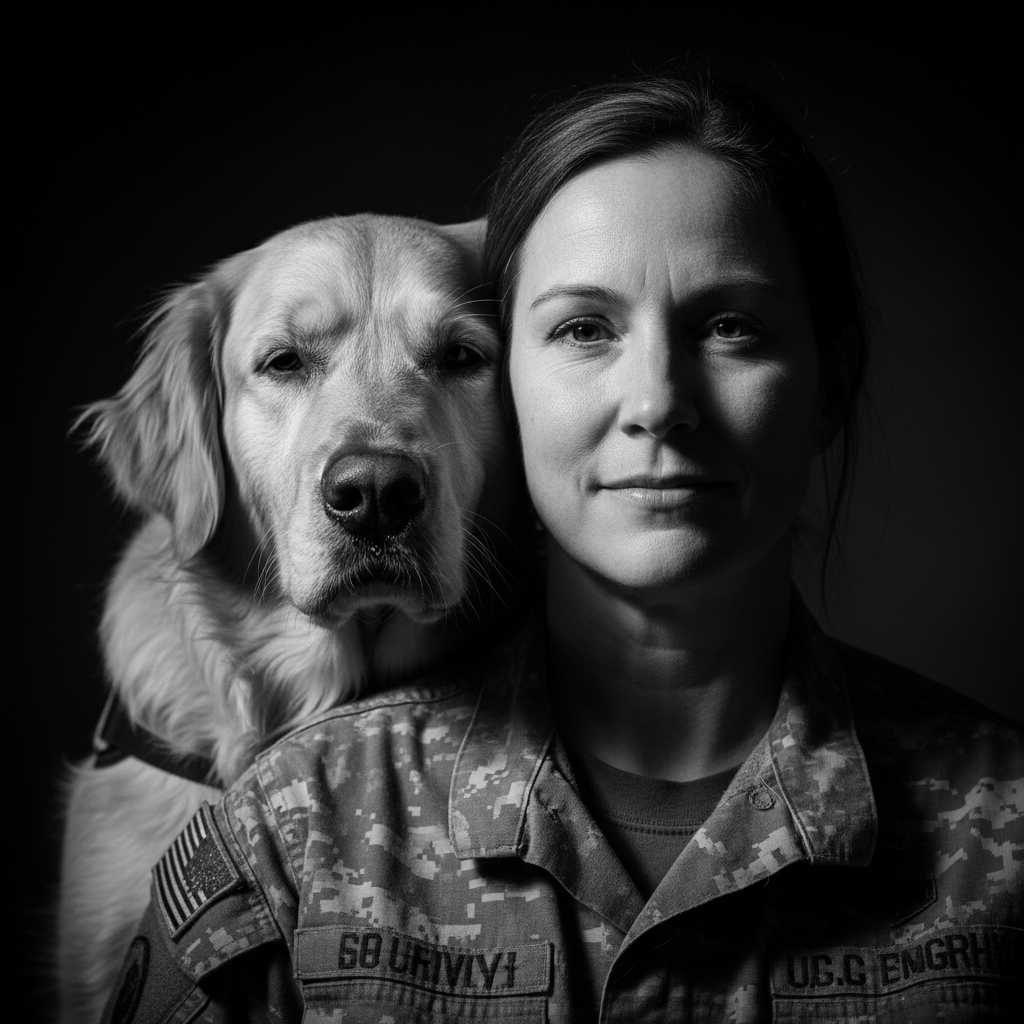
Mastering the VA Disability Claims Process: A Veteran Guide
Navigate your VA disability journey with confidence. Learn how to secure your service connection, prepare for your C&P exam, and maximize your benefits effectively.
Understanding the VA Disability Claims Process
Navigating the VA claims process can feel overwhelming, but understanding the foundational requirements is the first step toward securing the disability compensation you deserve. Whether you are filing an initial claim or looking to increase your VA disability rating, the system relies on specific documentation and legal standards.
The Pillars of a Successful Service Connection
To win a service connected disability claim, you must demonstrate three core elements: a current medical diagnosis, an in-service event or injury, and a nexus linking the two. Many veterans struggle with the 'nexus' requirement, which is why a professional nexus letter can be a game-changer. Without this medical bridge, your claim may be denied despite having a valid condition.
How to File a VA Disability Claim Effectively
Preparation is the key to success. Follow these steps to initiate your application:
- Gather your medical records and military service records.
- Write a personal statement detailing how your condition impacts your daily life.
- Collect lay statements or buddy statements from those who witnessed your injury.
- Submit your intent to file via the VA portal.
C&P Exam Preparation: What You Must Know
The Compensation & Pension (C&P) exam is often the most critical hurdle in the VA claims process. This examination determines your disability rating. To prepare, ensure you are familiar with your medical history and be prepared to discuss your 'worst days'—not just your best days. Consistency is vital; ensure your testimony matches the VA evidence provided in your file.
Common Claims: PTSD, Tinnitus, and Beyond
Many veterans suffer from common service-connected issues such as PTSD VA claims or tinnitus VA evaluations. For mental health claims, ensure you have a clear clinical diagnosis and evidence of a stressor. For hearing-related claims, while tinnitus is common, it requires specific documentation to ensure a favorable rating.
Maximizing Benefits and Exploring TDIU
If your disabilities prevent you from maintaining substantially gainful employment, you may qualify for Total Disability Individual Unemployability (TDIU). This allows veterans to be compensated at the 100% rate even if their combined disability rating is lower, provided they can prove their condition renders them unable to hold a job. If you feel you are not being compensated fairly, you may need to file a VA appeal to challenge a previous rating decision.
Actionable Advice for Every Veteran
- Review your C-file to understand what the VA already knows about your health.
- Utilize buddy statements to corroborate events that occurred during your service.
- Stay informed on current VA disability compensation rates to understand the financial impact of your rating.
- Don't be afraid to pursue a secondary service connection if your original injury has caused further complications.
Your veteran healthcare is your right, not a favor. By meticulously gathering your VA evidence and understanding the nuances of the law, you can navigate the system with clarity. If you are struggling with a complex claim or a denial, seeking professional guidance can often mean the difference between a denied claim and the benefits you earned through your service.
Ready to take control of your VA disability claim? Contact our team of experts today for a comprehensive evaluation of your file and let us help you secure the benefits you deserve.
RELATED TOPICS: