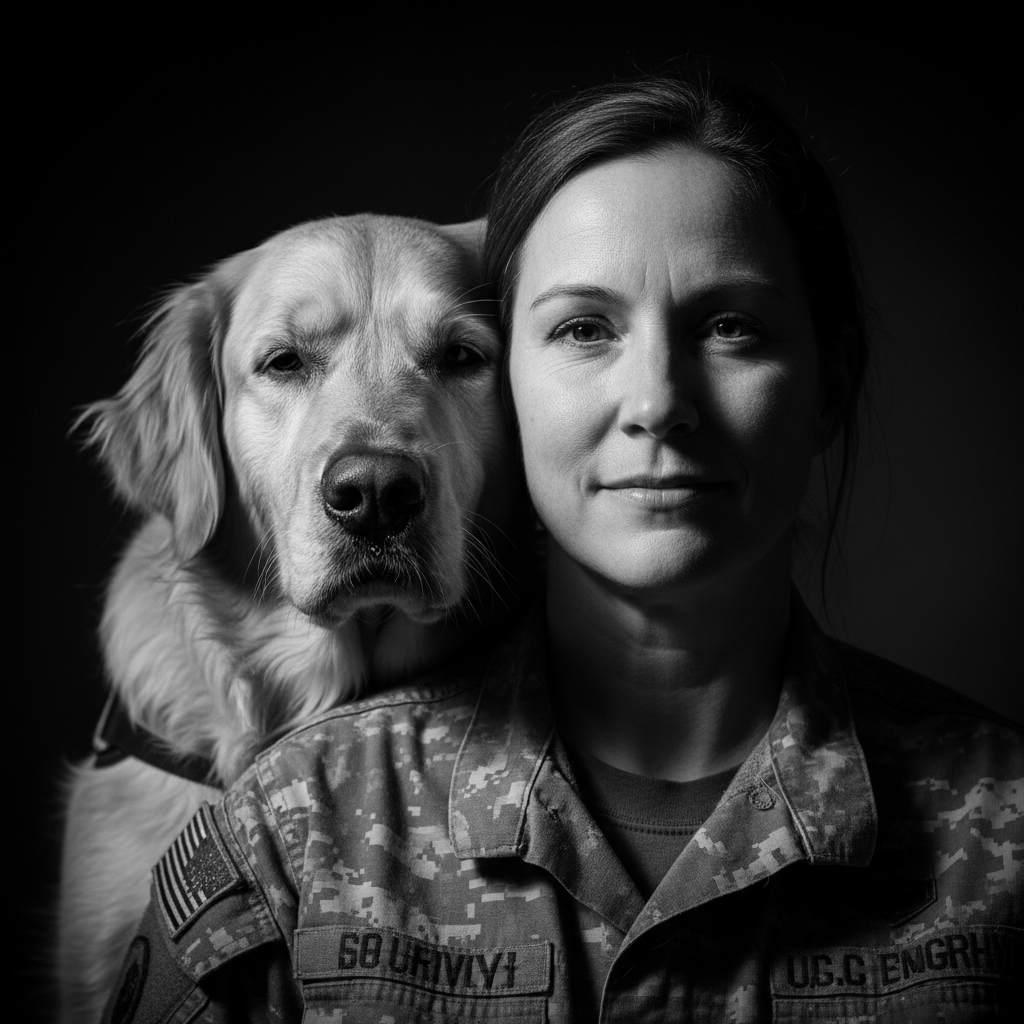
Mastering the VA Disability Claims Process: Expert Guide
Navigate the complex VA disability claims process with confidence. Learn how to secure your benefits, understand service connection, and prepare for success.
Understanding the VA Disability Claims Process
Navigating the Department of Veterans Affairs (VA) system can feel overwhelming, but understanding the VA claims process is the first step toward receiving the disability compensation you earned. Whether you are filing an initial claim or looking to increase VA disability rating, having a clear strategy is essential.
The Pillars of a Successful Claim
To win your claim, you must establish a service connected disability. This requires three distinct elements:
- A current diagnosis of a medical condition.
- An in-service event, injury, or aggravation.
- A nexus letter or medical evidence linking the two.
Without these, the VA will likely deny the connection, making it difficult to receive the veterans benefits you deserve. You must gather robust VA evidence to support your narrative, including medical records and private doctor opinions.
How to File VA Disability Claim Effectively
Learning how to file VA disability claim documents correctly is critical. Begin by filing an 'Intent to File' to lock in your effective date for VA disability compensation rates. Once you submit your formal application, you will likely be scheduled for a C&P exam.
Preparing for Your C&P Exam
The Compensation and Pension (C&P) exam is a pivotal moment in the VA claims process. It is not a standard doctor's appointment. To prepare, ensure you have reviewed your file and are ready to discuss how your service-connected disability impacts your daily life, occupation, and social functioning.
Leveraging VA Evidence: Buddy Statements and Lay Evidence
Often, medical records are not enough. This is where buddy statements and lay statements become invaluable. A statement from a fellow service member or a family member can provide context to your PTSD VA symptoms or explain how your tinnitus VA affects your ability to concentrate.
Secondary Service Connection and TDIU
Sometimes, a primary condition leads to secondary health issues. If your service-connected condition prevents you from maintaining substantial gainful employment, you may be eligible for Total Disability Individual Unemployability (TDIU), which pays at the 100% rate even if your combined disability rating is lower.
What to Do After a Denial
If you receive a denial, do not give up. The VA appeal system provides veterans with multiple pathways to contest decisions. Whether through a Supplemental Claim, Higher-Level Review, or Board Appeal, you have the right to challenge incorrect findings.
Key Steps for Success:
- Conduct a thorough review of your Decision Letter.
- Gather new and relevant VA evidence.
- Consult with a qualified representative regarding a nexus letter.
- Ensure you are utilizing veteran healthcare resources effectively.
Your service matters, and your health is a priority. Do not leave benefits on the table due to administrative hurdles. If you need expert guidance to navigate your VA benefits and maximize your rating, contact our team today to schedule your comprehensive case evaluation.
RELATED TOPICS: