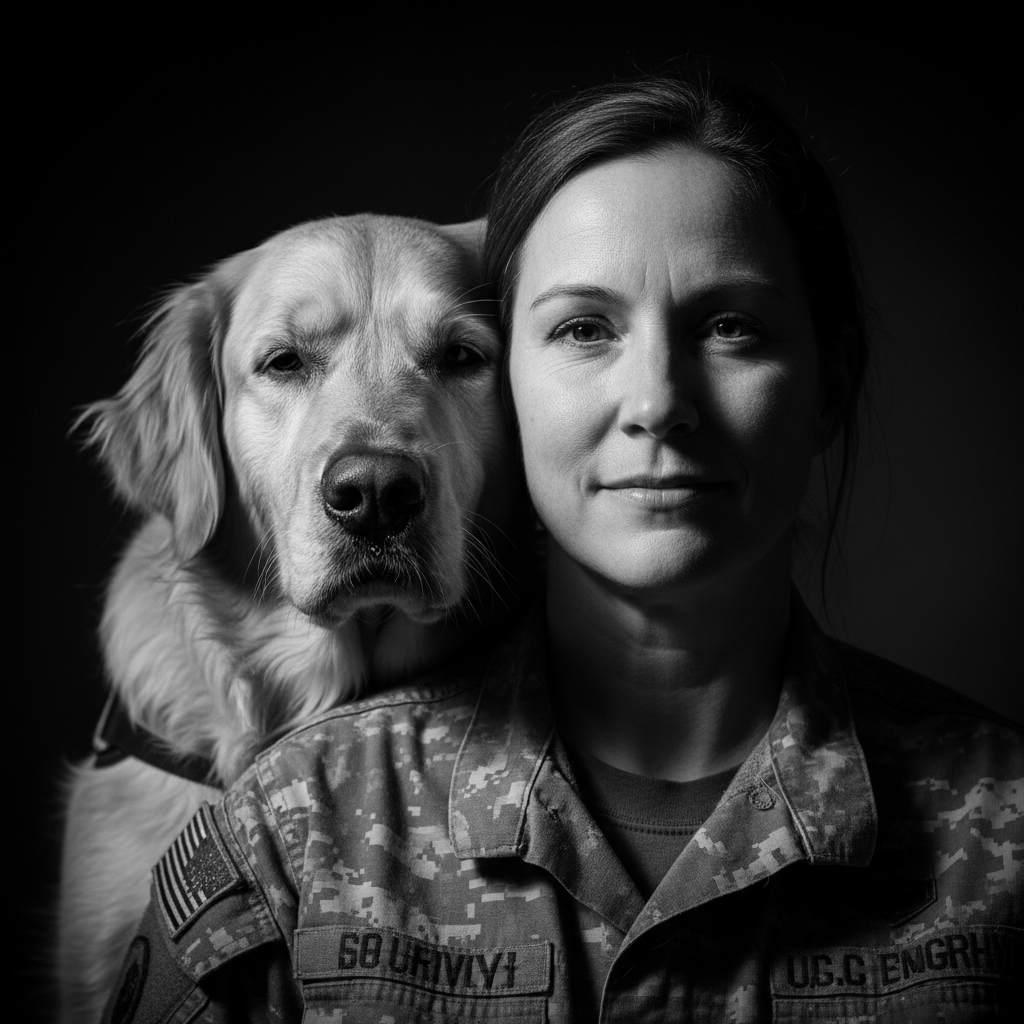
Mastering the VA Disability Claims Process: Expert Guide
Navigating the VA disability claims process can be daunting. Learn how to successfully secure your service connected disability benefits with our expert guide.
Understanding the VA Disability Claims Process
Navigating the complex landscape of VA disability benefits is a journey that requires patience, organization, and a deep understanding of the VA claims process. Whether you are filing an initial claim for disability compensation or looking to increase VA disability rating for an existing condition, preparation is key.
The Three Pillars of Service Connection
To successfully obtain a service connected disability rating, the Department of Veterans Affairs requires three specific elements to be established in your VA evidence:
- A current medical diagnosis of a disability.
- Evidence of an in-service event, injury, or disease.
- A medical nexus linking the current disability to the in-service event.
Without a strong medical nexus, many claims are denied. This is where a professional nexus letter can become the deciding factor in proving your case.
How to File a VA Disability Claim Effectively
When you start how to file VA disability claim paperwork, ensure you are using the correct VA forms. The process typically follows these steps:
- Intent to File: This sets your effective date for potential back pay.
- Gathering Evidence: Collect your service medical records, private treatment records, and any buddy statement or lay statement that corroborates your account.
- Submitting the Application: Use the VA.gov portal or work with a VSO to submit your formal application.
- The C&P Exam: The C&P exam is a critical juncture. Be prepared to discuss how your condition affects your daily life and work capacity.
Maximizing Your Disability Rating
Your disability rating dictates your monthly compensation. Common conditions like tinnitus VA claims or PTSD VA mental health claims require specific documentation. For instance, in mental health cases, you must demonstrate how your symptoms cause occupational and social impairment.
If your combined disability rating reaches a certain threshold but you cannot maintain gainful employment, you may be eligible for total disability individual unemployability (TDIU). This designation allows you to receive compensation at the 100% rate even if your scheduler rating is lower.
Preparation for the C&P Exam
Many veterans experience anxiety regarding the C&P exam. Remember, this is a medical evaluation, not a trick. Be honest about your 'worst days' rather than your 'best days.' If your condition fluctuates, explain how it impacts your ability to perform routine tasks and maintain employment. Providing a clear lay statement about the severity of your symptoms can provide the examiner with necessary context.
Handling Denials and the VA Appeal Process
If you receive an unfavorable decision, do not lose hope. The VA appeal process allows you to challenge the decision through a Supplemental Claim, a Higher-Level Review, or a Board of Veterans' Appeals hearing. Review your denial letter closely; often, the VA identifies exactly what piece of evidence was missing, such as a stronger medical nexus or more comprehensive VA evidence regarding your veteran healthcare history.
Final Thoughts and Next Steps
Your VA benefits are earned through your service to this country. Whether you are dealing with physical injuries or mental health struggles, you deserve access to the support promised to you. Don't go through this alone—ensure your files are complete, your buddy statement evidence is detailed, and your medical records are airtight.
Ready to take the next step in your VA journey? Contact our expert consulting team today for a comprehensive evaluation of your claim status and let us help you fight for the compensation you deserve.
RELATED TOPICS: