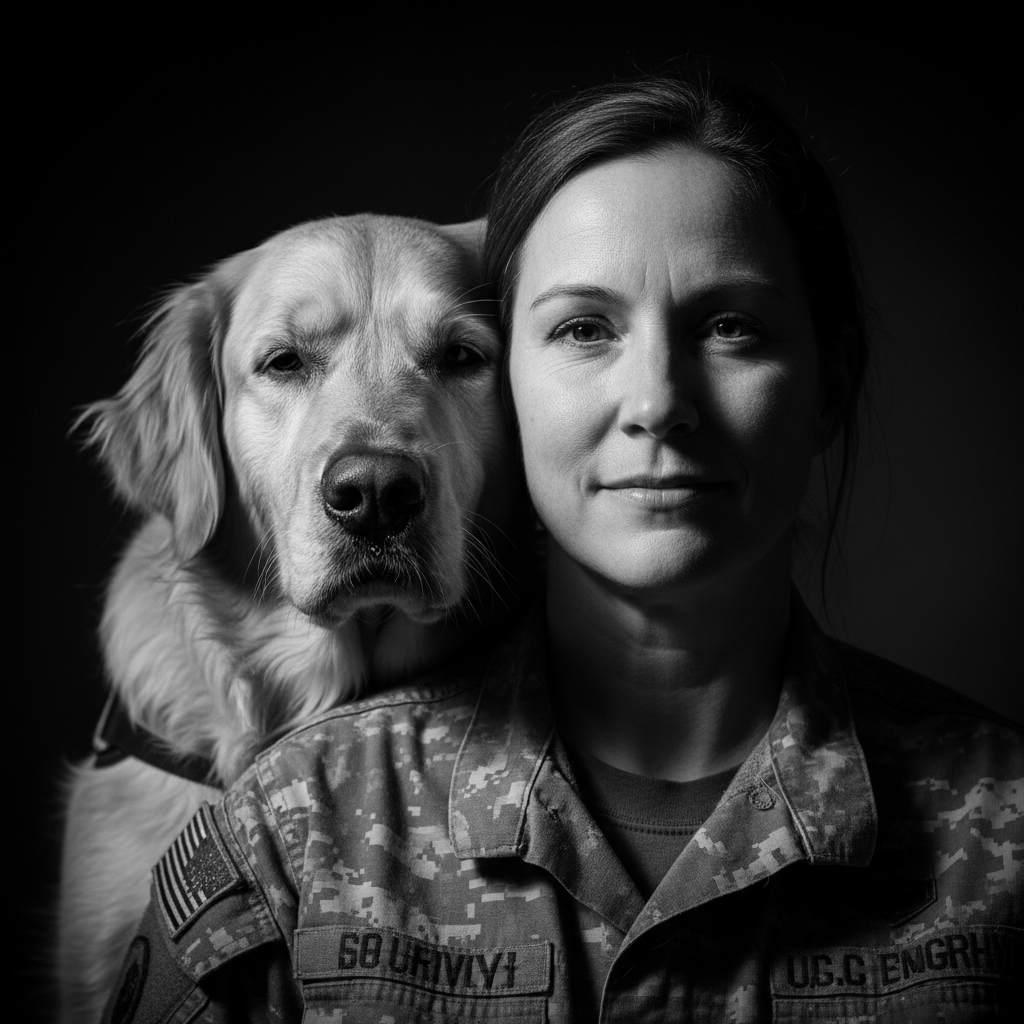
Mastering the VA Disability Claims Process: Expert Guide
Learn how to navigate the complex VA disability claims process effectively. Discover expert strategies to secure the disability compensation you deserve.
Understanding the VA Disability Claims Process
Navigating the journey to secure VA disability benefits can feel overwhelming. Whether you are wondering how to file a VA disability claim for the first time or looking to increase VA disability rating for an existing condition, understanding the VA claims process is critical. Veterans deserve the disability compensation promised to them for the sacrifices made in service.
Establishing Service Connection
The foundation of all successful VA claims is establishing a service connected disability. To win your claim, you must demonstrate three things: a current medical diagnosis, an in-service event or injury, and a nexus letter or medical link connecting the two. Without this evidence, your claim will likely be denied.
Essential VA Evidence Requirements
Robust VA evidence is the cornerstone of a winning strategy. When gathering your medical records, consider including:
- Official military personnel and treatment records.
- Private medical provider records detailing your diagnosis.
- A buddy statement or lay statement to provide context for your daily symptoms.
These documents substantiate your claim and ensure the VA rater has a complete picture of your health.
Preparation for the C&P Exam
The C&P exam is a pivotal step in the VA claims process. During this evaluation, a medical professional will assess your condition to determine the severity of your symptoms. To prepare effectively, be honest, consistent, and specific. Do not minimize your symptoms; instead, describe how your condition affects your ability to perform daily tasks or maintain employment.
Common Claim Types: PTSD and Tinnitus
Many veterans struggle with invisible wounds. A PTSD VA claim requires evidence of a stressor incident. Similarly, a tinnitus VA claim focuses on the persistent ringing or buzzing resulting from acoustic trauma. Both require specific documentation to meet the threshold for disability rating.
When Claims are Denied: The VA Appeal
If you receive a denial, do not be discouraged. You have the right to file a VA appeal. Whether you choose a Supplemental Claim, a Higher-Level Review, or an appeal to the Board of Veterans' Appeals, having strong supporting evidence remains essential. If your service-connected conditions prevent you from working, you may qualify for total disability based on individual unemployability (TDIU).
Maximizing Your Benefits
Understanding current VA disability compensation rates is essential for financial planning. By ensuring your disability rating accurately reflects your medical reality, you can access the appropriate veteran healthcare and monthly support you have earned. Remember, veterans benefits are not a handout; they are earned entitlements based on your service.
Next Steps for Your Claim
Take control of your future today. If you need assistance with your VA disability journey, ensure you are organized and proactive. Need expert guidance on your specific situation? Reach out to an accredited representative or VSO today to start building your strongest possible claim.
RELATED TOPICS: