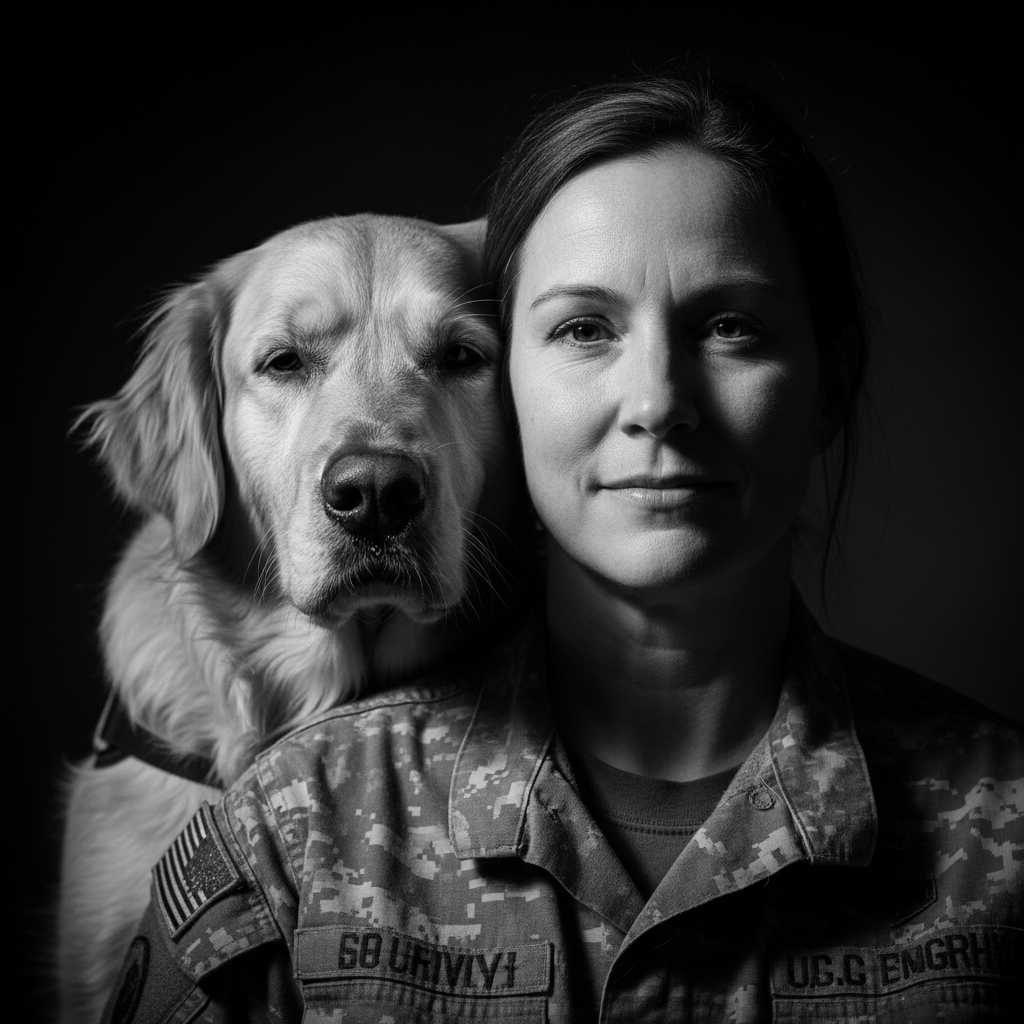
Mastering the VA Disability Claims Process: Expert Guide
Navigating VA disability claims can be complex. Learn the essential steps to secure your service-connected benefits, from gathering evidence to the C&P exam.
Understanding the VA Disability Claims Process
For many veterans, securing the benefits they earned through service is a daunting task. The VA disability claims process is rigorous, requiring specific documentation and a clear demonstration of how your current health issues are tied to your time in uniform. Whether you are wondering how to file VA disability claim for the first time or looking to increase VA disability rating, understanding the fundamentals is the first step toward success.
Defining Service Connection and VA Evidence
To receive disability compensation, you must establish a service connected disability. This means you must provide VA evidence that links your current condition to an event, injury, or illness that occurred during active duty. According to 38 CFR § 3.303, a service connection requires three primary elements:
- A current diagnosis of a disability.
- Evidence of an in-service event, injury, or aggravation.
- A medical nexus linking the current disability to the in-service event.
Without these pillars, the VA will likely deny your claim. Utilizing a nexus letter from a medical professional can be the deciding factor in establishing this connection.
Preparing for Your C&P Exam
The C&P exam is a critical stage in your VA claims journey. This evaluation is not a traditional doctor's visit; rather, it is an evidence-gathering appointment where a clinician provides an opinion on your condition's severity and service connection. To prepare effectively:
- Review your military medical records and personal health history.
- Be honest and descriptive about your worst days, not just your best.
- Do not downplay your symptoms or assume the examiner knows your complete history.
Maximizing Your Disability Rating
VA disability compensation rates are determined by your disability rating, which ranges from 0% to 100%. The VA uses the Schedule for Rating Disabilities to assess the severity of your condition. Common conditions such as PTSD VA or tinnitus VA are rated based on specific diagnostic criteria. If your symptoms have worsened, you may qualify for an increase VA disability rating. Always ensure your medical records reflect the frequency, severity, and duration of your symptoms.
Supplementary Evidence: Buddy Statements and Lay Statements
Beyond clinical records, the VA considers lay evidence. A buddy statement or lay statement can provide essential context regarding how your service-connected disability affects your daily life and employment. These statements bridge the gap between clinical findings and your lived reality, which is particularly useful for conditions that are difficult to objectively measure, such as mental health disorders.
What if You Are Denied?
If you receive an unfavorable decision, do not lose hope. You have the right to a VA appeal. Whether you choose a Supplemental Claim, a Higher-Level Review, or an appeal to the Board of Veterans' Appeals, ensure you address the specific reasons for the denial provided in your decision letter. For veterans unable to maintain gainful employment due to their service-connected disabilities, Total Disability Individual Unemployability (TDIU) may be an available path to receive 100% compensation rates even if your combined rating is below 100%.
Final Tips for Success
Navigating veterans benefits requires patience and persistence. Ensure all your documentation is organized, and consider consulting with a Veterans Service Officer (VSO) or an accredited representative who understands the nuances of the VA system. Accessing quality veteran healthcare is your right, and securing your disability benefits is an essential part of your transition and long-term well-being.
Need help with your claim? Contact an accredited representative today to review your evidence and ensure your application is as strong as possible before submission.
RELATED TOPICS: