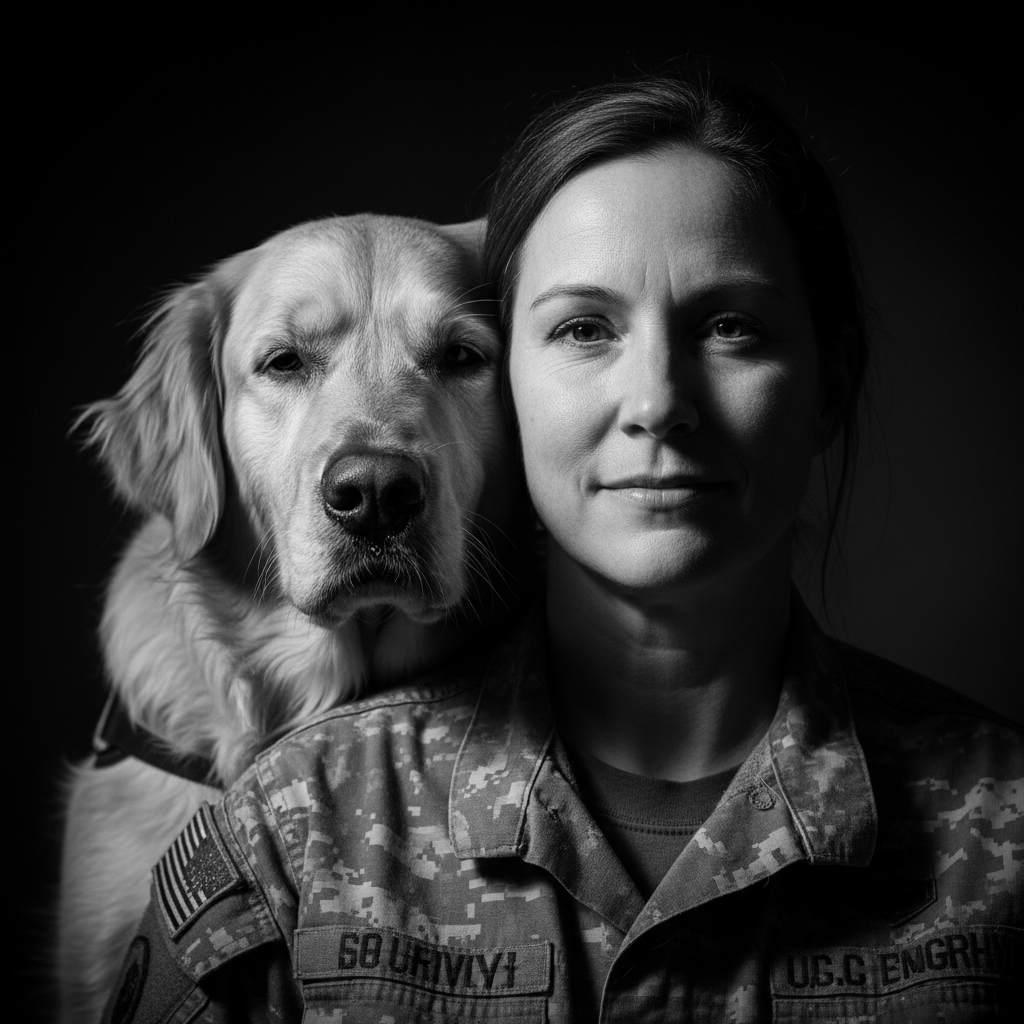
VA Disability Claims Guide: Expert Tips for Success in 2026
Master the VA disability claims process with our comprehensive expert guide. Learn how to secure the VA benefits and disability compensation you have earned.
Mastering the VA Disability Claims Process
Navigating the complex world of VA disability claims can feel overwhelming for many veterans. Understanding how to file a VA disability claim correctly is the first step toward receiving the disability compensation you deserve. Whether you are filing an initial claim or looking to increase VA disability rating, preparation is key.
Understanding Service Connection Requirements
To win your claim, you must establish a service connected disability. This requires three distinct elements of VA evidence: 1) A current diagnosis of a disability, 2) An event, injury, or disease that occurred during active duty, and 3) A medical nexus linking the two. Many veterans fail because they lack a strong nexus letter from a medical professional to bridge this gap.
The Importance of the C&P Exam
Your C&P exam is the cornerstone of the VA claims process. It is a medical evaluation conducted by a VA-contracted clinician to assess the severity of your conditions. To prepare effectively:
- Review your medical records before the appointment.
- Be honest and descriptive about your worst days, not your best.
- Focus on how your disability impacts your daily functioning.
- Consider submitting a buddy statement or lay statement to provide context for your symptoms.
Common Conditions: PTSD and Tinnitus
Many veterans seek benefits for PTSD VA-related issues or tinnitus VA claims. For mental health claims, ensure your evidence documents the specific stressors you experienced. For hearing loss and tinnitus, the VA looks for documented exposure to hazardous noise levels during your service.
When to Consider Individual Unemployability (TDIU)
If your service-connected conditions prevent you from maintaining substantially gainful employment, you may be eligible for Total Disability Individual Unemployability (TDIU). This allows veterans to be compensated at the 100% disability rating level even if their combined evaluation is lower. If you find yourself in this position, document how your symptoms manifest in a workplace environment.
Navigating Denials and the VA Appeal Process
Receiving a denial letter is not the end of the road. If the VA denies your veterans benefits, you have options. You may choose a Higher-Level Review, a Supplemental Claim, or a formal VA appeal to the Board of Veterans’ Appeals. Always review the reason for the denial carefully so you can address the specific missing evidence.
Final Tips for Success
- Keep your veteran healthcare records organized and accessible.
- Monitor current VA disability compensation rates to understand your potential financial outcome.
- Never provide vague answers; be specific about your limitations.
- Utilize expert assistance to ensure your VA evidence is bulletproof.
Your service deserves recognition and support. If you are ready to take control of your future, do not go at it alone. Contact our team of experts today for a comprehensive evaluation of your claim status and let us help you secure the benefits you have earned.
RELATED TOPICS: