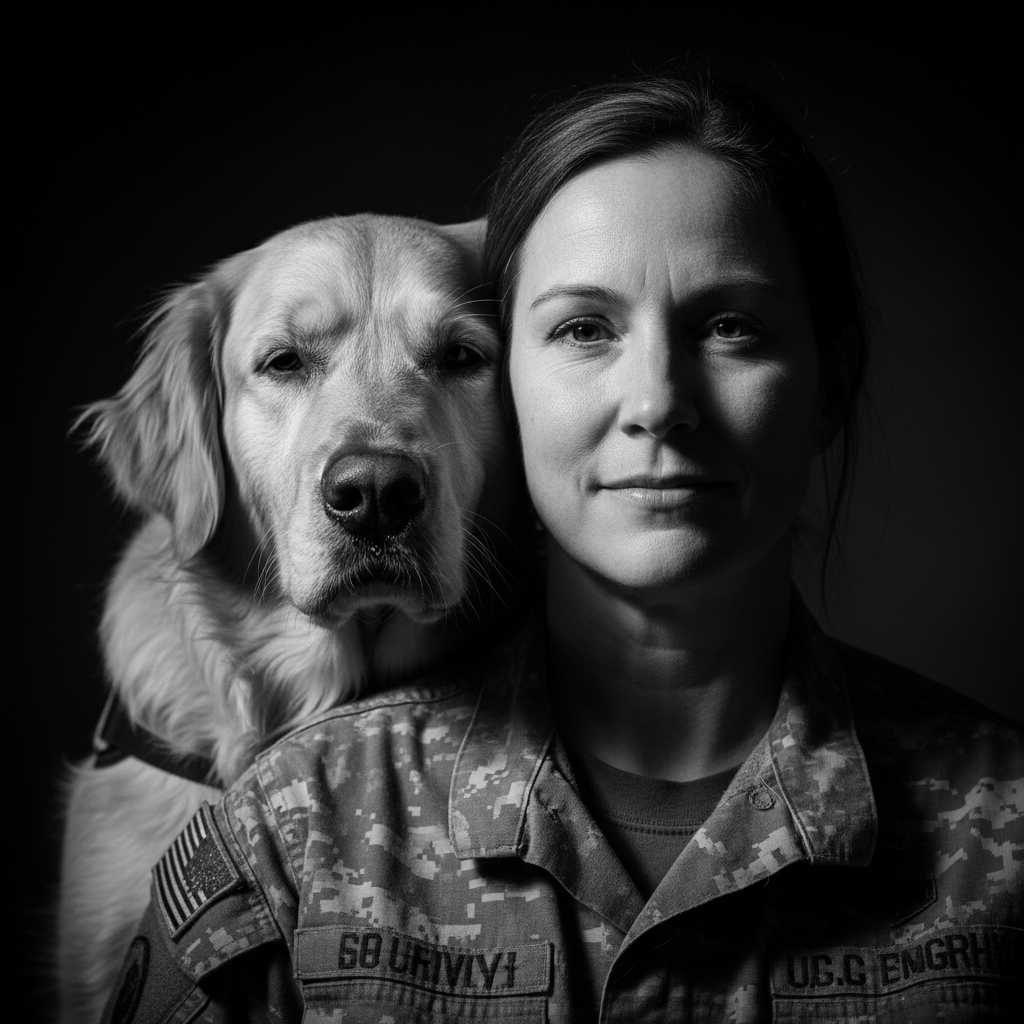
VA Disability Claims: Master the Process for Benefits
Learn the essential steps to navigate VA disability claims, including how to build a strong service connection and maximize your disability compensation.
Understanding the VA Claims Process
Navigating the complex world of VA disability benefits can feel overwhelming for many veterans. Understanding the VA claims process is the first step toward securing the disability compensation you deserve. Whether you are filing an initial claim or looking to increase VA disability rating, a strategic approach is essential.
Defining Service Connection
To receive veterans benefits, you must establish a service connected disability. This requires three distinct elements: a current medical diagnosis, evidence of an in-service event or injury, and a medical link known as a nexus letter connecting the two. Without this crucial nexus, the VA will likely deny your claim, even if your condition is severe.
The Critical Role of VA Evidence
The strength of your claim rests entirely on VA evidence. Your medical records are paramount, but they are not the only form of documentation. Buddy statement and lay statement evidence can provide essential context regarding how an injury occurred or how a condition impacts your daily life.
- PTSD VA claims often require personal statements describing stressors.
- Tinnitus VA claims benefit from identifying specific noise exposure during service.
- Formal medical opinions help strengthen your service connection arguments.
Preparing for Your C&P Exam
The C&P exam is a pivotal moment in your VA claims process. During this evaluation, a provider assesses the severity of your conditions to help determine your disability rating. To prepare, ensure you have reviewed your records and are ready to discuss your symptoms honestly. Remember, the examiner is looking for functional impairment, not just a diagnosis.
How to File VA Disability Claim Effectively
- Gather your service treatment records and private medical evidence.
- Complete VA Form 21-526EZ to initiate your claim.
- Submit supporting documents, including nexus letters and statements.
- Track your progress via the VA.gov portal.
Advanced Benefits: TDIU and Appeals
If your disability rating prevents you from maintaining gainful employment, you may be eligible for Total Disability Individual Unemployability (TDIU). This allows veterans to receive pay at the 100% rate even if their combined rating is lower, provided they cannot hold a job due to service-connected conditions. If your claim is denied, do not lose hope. The VA appeal process exists specifically to address errors in initial adjudications.
Understanding Disability Compensation Rates
VA disability compensation rates are adjusted annually based on the cost of living. It is important to stay informed about these changes to understand your financial planning options. Your compensation is designed to support your veteran healthcare needs and overall quality of life.
Take Action on Your VA Benefits Today
You served your country; now let the VA system serve you. Do not navigate these complex regulations alone. Whether you are filing your first claim or fighting a denied decision, ensure your medical records are airtight and your nexus arguments are clear. If you need professional guidance to organize your evidence or draft a compelling lay statement, contact a qualified VA-accredited representative today to start your path toward the benefits you have earned.
RELATED TOPICS: