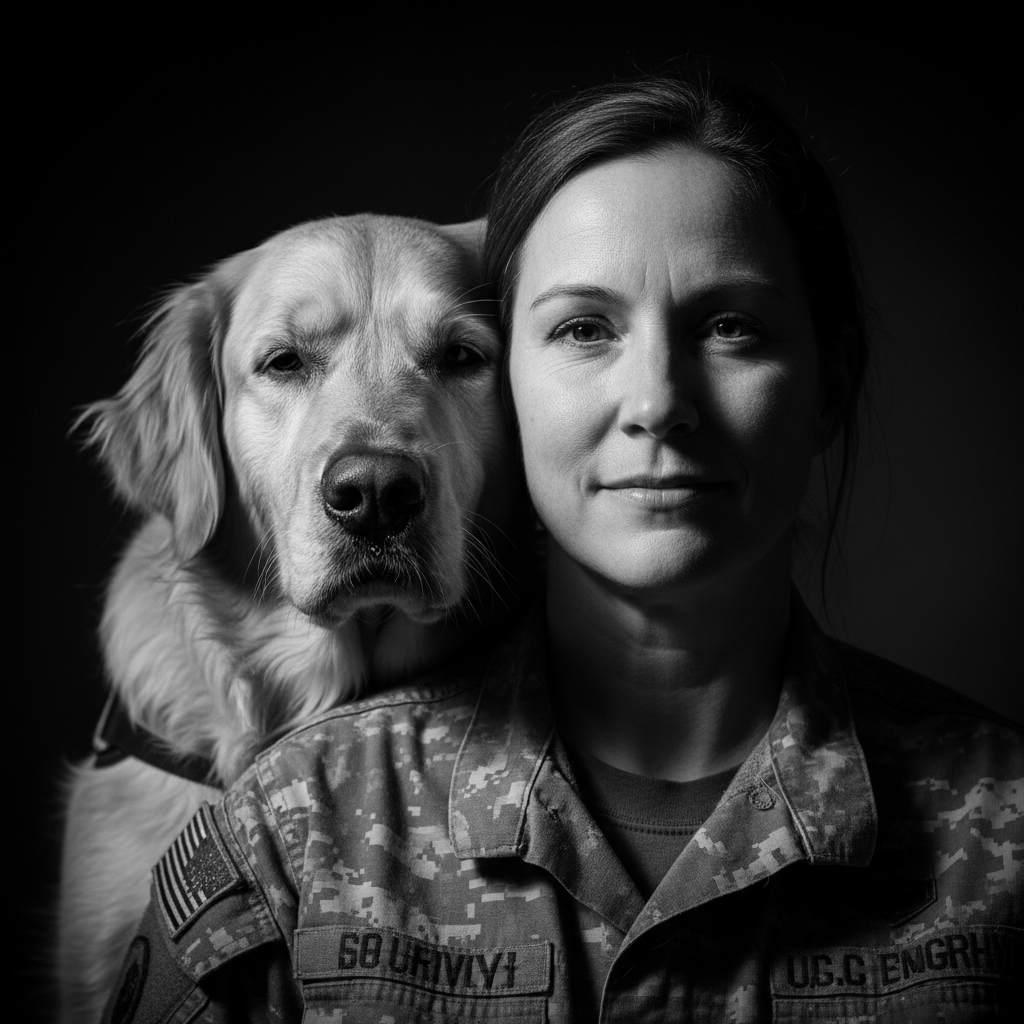
VA Disability Claims: Mastering the Process for Benefits
Navigate your VA disability journey with confidence. Learn how to strengthen your claim, prepare for C&P exams, and maximize your disability compensation.
Understanding the VA Disability Claims Process
Navigating the complex landscape of VA claims can feel overwhelming for many veterans. Understanding how to file a VA disability claim correctly is the first step toward securing the disability compensation you earned through your service. This comprehensive guide breaks down the essential components of building a winning case.
Defining Service Connection Requirements
To receive benefits, you must establish a service connected disability. This requires three primary elements: a current diagnosis, an in-service event or injury, and a medical nexus letter linking the two. Without a strong link, the VA will likely deny your claim regardless of the severity of your symptoms.
Essential VA Evidence Requirements
Gathering robust VA evidence is critical for a successful outcome. You should never rely solely on your military medical records. Instead, supplement your claim with:
- Buddy statement or lay statement forms to document impact on daily life.
- Private medical records that detail your condition.
- Statements regarding PTSD VA or tinnitus VA specific symptoms if applicable.
Preparing for the C&P Exam
The C&P exam is a pivotal moment in the VA claims process. Whether it is a physical assessment or a mental health evaluation, preparation is key. Ensure you have reviewed your own records and understand how your symptoms manifest on your worst days. Remember, the examiner is there to provide an opinion to the VA, not to treat you, so be clear and concise about your limitations.
Strategies to Increase VA Disability Rating
If you believe your current disability rating does not reflect the severity of your conditions, you may be eligible to file for an increase. To increase VA disability rating levels, you must provide new and relevant evidence showing that your condition has worsened over time. Consistent documentation of symptoms is your most powerful tool here.
Exploring Total Disability Individual Unemployability (TDIU)
If your service-connected disabilities prevent you from maintaining substantially gainful employment, you may qualify for total disability individual unemployability. TDIU pays at the 100% rate even if your combined scheduler rating is lower, provided you meet the specific criteria set by the VA.
What to Do If You Receive a Denial
Receiving a denial is not the end of the road. You have the right to pursue a VA appeal. Whether you choose a Supplemental Claim, a Higher-Level Review, or an appeal to the Board of Veterans' Appeals, you have specific windows of time to act. Consulting with a professional can help you identify why your claim was denied and how to correct it.
Conclusion: Taking Control of Your Benefits
Your veteran healthcare and financial future depend on your ability to present your case effectively. By staying informed on VA disability compensation rates and ensuring all documentation is accurate, you can successfully navigate the system.
Ready to take the next step in your VA claim? If you need assistance gathering your medical evidence or drafting a nexus letter, reach out to an accredited representative today to start your journey toward receiving the benefits you deserve.
RELATED TOPICS: